Few indie games in recent memory have generated as much anticipation as Hollow Knight: Silksong. Years after its announcement, the sequel remains one of the most wishlisted titles on Steam, with fans eagerly awaiting any glimpse of new gameplay, trailers, or release news.
The excitement surrounding the game isn’t just typical sequel hype. It reflects the extraordinary reputation of its creators, Team Cherry, and the legacy of the original Hollow Knight. Through meticulous design, atmospheric storytelling, and deep gameplay systems, the small Australian studio transformed a modest indie project into one of the most beloved games of the modern era.
Understanding the enormous anticipation for Silksong means understanding how Team Cherry became one of the most respected indie developers in the industry.
The Unexpected Success of Hollow Knight

When Hollow Knight first released in 2017, it arrived without the marketing power of a major publisher. Developed by a tiny team and funded partly through crowdfunding, the game could easily have disappeared among the hundreds of indie titles released that year.
Instead, it became a phenomenon.
Players quickly fell in love with its haunting world, intricate level design, and challenging combat. Inspired by classic Metroidvania games, Hollow Knight allowed players to explore the mysterious underground kingdom of Hallownest, unlocking abilities that opened new paths throughout the interconnected world.
What truly set the game apart, however, was its sense of atmosphere. The world felt ancient, melancholic, and alive with hidden stories.
Players weren’t just progressing through levels—they were uncovering the remnants of a fallen civilization.
A World Built for Exploration
One of the reasons Hollow Knight remains so influential is its masterful world design.
The map of Hallownest is vast, layered, and filled with secrets. Every new ability—whether it’s wall jumping, dashing, or double jumping—opens previously inaccessible areas, encouraging players to revisit earlier regions.
This structure creates a powerful sense of discovery.
Rather than guiding players directly through the story, the game encourages curiosity. Hidden passages, optional bosses, and mysterious NPCs reward those willing to explore every corner of the world.
For many players, this design turned exploration into an adventure rather than a checklist.
Art, Music, and Mood
Another defining feature of Hollow Knight is its distinctive artistic style.
The game’s hand-drawn visuals combine simplicity with elegance. Characters are expressive despite minimal detail, and environments range from glowing fungal forests to haunting abandoned cities.
Complementing the visuals is a deeply atmospheric soundtrack. The music shifts from quiet melancholy to intense orchestral pieces during boss battles, enhancing the emotional tone of each region.
Together, the art and music create a world that feels cohesive and immersive—a hallmark of truly great game design.
From DLC to Full Sequel
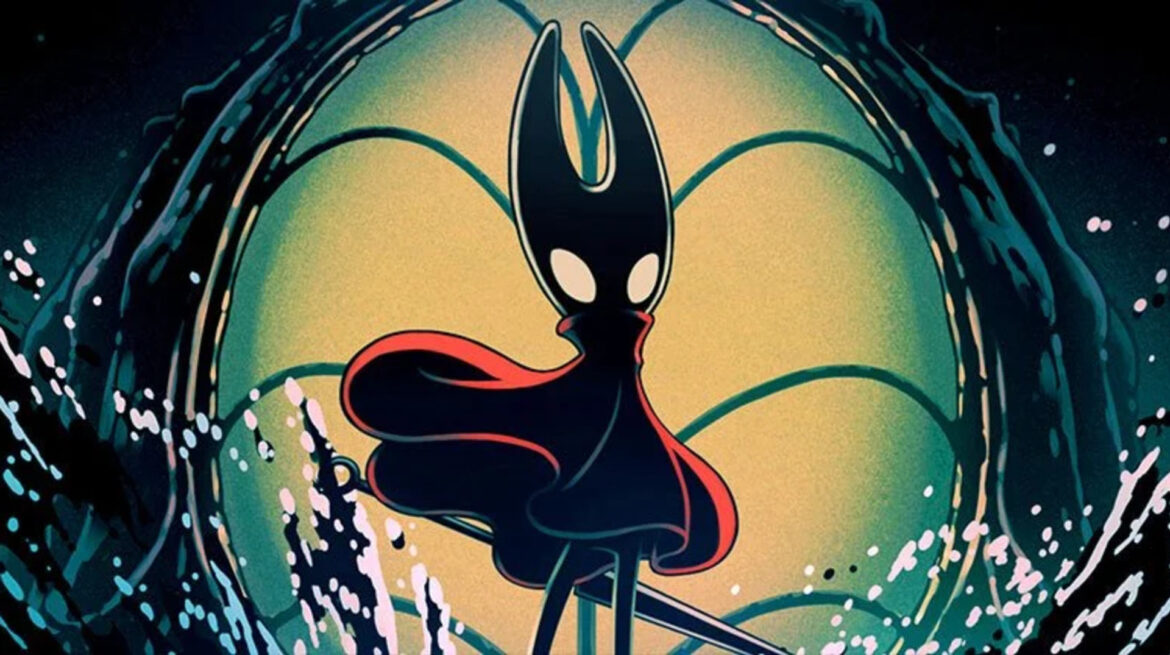
Interestingly, Hollow Knight: Silksong wasn’t originally intended to be a standalone sequel.
The project began as downloadable content for the original game, centered around the character Hornet—a skilled warrior who appeared several times throughout Hollow Knight. As development progressed, however, the concept expanded dramatically.
New mechanics, environments, enemies, and story elements pushed the project beyond the scope of traditional DLC. Eventually, Team Cherry decided the idea deserved to become a full game.
That decision turned what might have been a modest expansion into one of the most anticipated indie titles in gaming.
A New Hero, A New Kingdom
Unlike the first game, where players controlled the silent Knight, Silksong places Hornet at the center of the story.
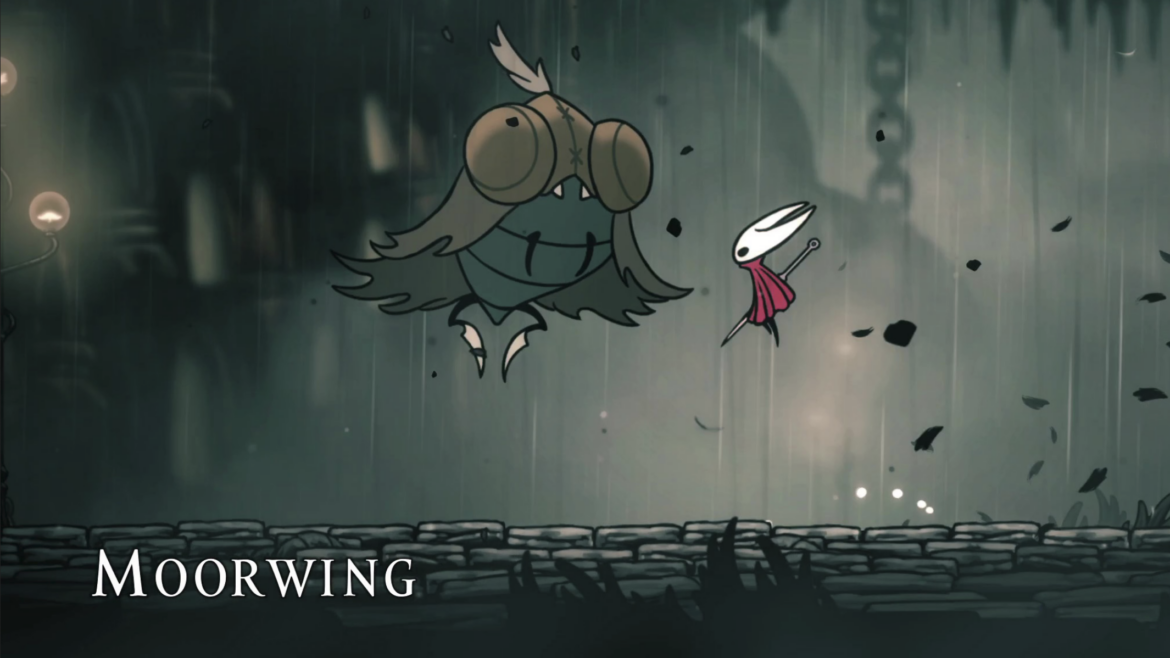
Hornet plays very differently from the original protagonist. She is faster, more agile, and uses silk-based abilities that allow for dynamic movement and combat. These mechanics create a new gameplay rhythm while preserving the precision and challenge fans expect.
The setting also changes dramatically.
Instead of exploring the fallen kingdom of Hallownest, players travel to Pharloom—a mysterious new land filled with towering cities, mechanical contraptions, and dangerous creatures.
This shift allows the sequel to expand the universe while maintaining the same atmospheric storytelling style.
The Power of Patience
One of the most fascinating aspects of the Silksong phenomenon is the sheer length of its development.
Years have passed since the game’s announcement, yet fan enthusiasm has only grown stronger. In an industry where hype often fades quickly, the anticipation for Silksong has remained remarkably consistent.
Much of that patience comes from trust.
Players know that Team Cherry prioritizes quality over deadlines. The original Hollow Knight received numerous free updates after release, adding new bosses, quests, and areas that expanded the game significantly.
Because of that track record, fans are willing to wait.
Rather than seeing delays as problems, many players view them as evidence that the developers are carefully crafting the sequel.
A Small Team With Big Impact
Part of Team Cherry’s legend comes from its size.
Unlike major studios with hundreds of developers, Team Cherry operates with a remarkably small core team. Despite that, they managed to create one of the most expansive and polished indie games ever released.
This achievement highlights the strength of focused creative vision.
Without the layers of management often found in large studios, small teams can pursue bold artistic ideas and maintain consistency across design, storytelling, and gameplay.
In the case of Hollow Knight, that cohesion is one of the game’s greatest strengths.
The Community That Never Stopped Waiting
Over the years, the Hollow Knight community has become one of the most passionate fanbases in gaming.
Players analyze every piece of news, discuss theories about the world’s lore, and celebrate even the smallest updates about Silksong. The game has become something of a cultural phenomenon within the indie scene.
Memes about waiting for the release date circulate constantly online, but they’re usually accompanied by genuine excitement rather than frustration.
That balance between humor and anticipation reflects how deeply players care about the series.
Why the Hype Matters
The massive anticipation for Hollow Knight: Silksong represents something bigger than just excitement for a sequel.
It shows how powerful indie games can be when creativity, artistry, and thoughtful design come together.
Team Cherry proved that a small studio can build a world as compelling and immersive as anything produced by the largest publishers. Their success has inspired countless indie developers to pursue ambitious ideas without massive budgets.
In many ways, the story of Hollow Knight is also the story of the indie gaming movement itself.
Awaiting the Next Adventure
Whenever Hollow Knight: Silksong finally releases, expectations will be enormous. Yet if Team Cherry’s history is any indication, the wait may very well be worth it.
The studio has already shown that great games don’t require huge teams or billion-dollar budgets—just passion, vision, and an unwavering commitment to quality.
Until then, players around the world continue to watch, wait, and hope that the next journey into this hauntingly beautiful universe will arrive soon.
And when it does, the indie world will be watching.