Superhero games usually put players in the shoes of the heroes themselves, swinging across rooftops, battling villains, or saving the city in flashy, cinematic set pieces. Dispatch, however, takes a fresh and unexpected approach: it lets players experience the world of superheroes from the other side of the phone line. Developed by a small indie studio, the game positions you in a call center responsible for coordinating the city’s superhero response. In Dispatch, heroism isn’t just about powers—it’s about strategy, timing, and understanding the human element behind every crisis.
This review explores how Dispatch redefines superhero storytelling, blending management mechanics, narrative depth, and dark humor to create an unforgettable experience.
A Fresh Perspective on Superhero Life
What sets Dispatch apart from other superhero titles is its perspective. Players aren’t leaping from rooftops or engaging in hand-to-hand combat. Instead, they manage emergency calls, triage crises, and assign heroes to incidents in real time. The game asks a deceptively simple question: what happens behind the scenes when the city relies on superheroes?
By focusing on coordination rather than combat, Dispatch shines a spotlight on bureaucracy, miscommunication, and the human cost of heroics. Decisions are rarely black and white. Assign the wrong hero, delay a call, or ignore subtle clues, and the consequences ripple through the city. Lives are impacted, media attention flares, and heroes’ relationships strain under pressure.
This approach gives players a newfound appreciation for the unseen labor that keeps a city safe, while also providing a tense, engaging gameplay loop that balances strategy and storytelling.
Gameplay Mechanics
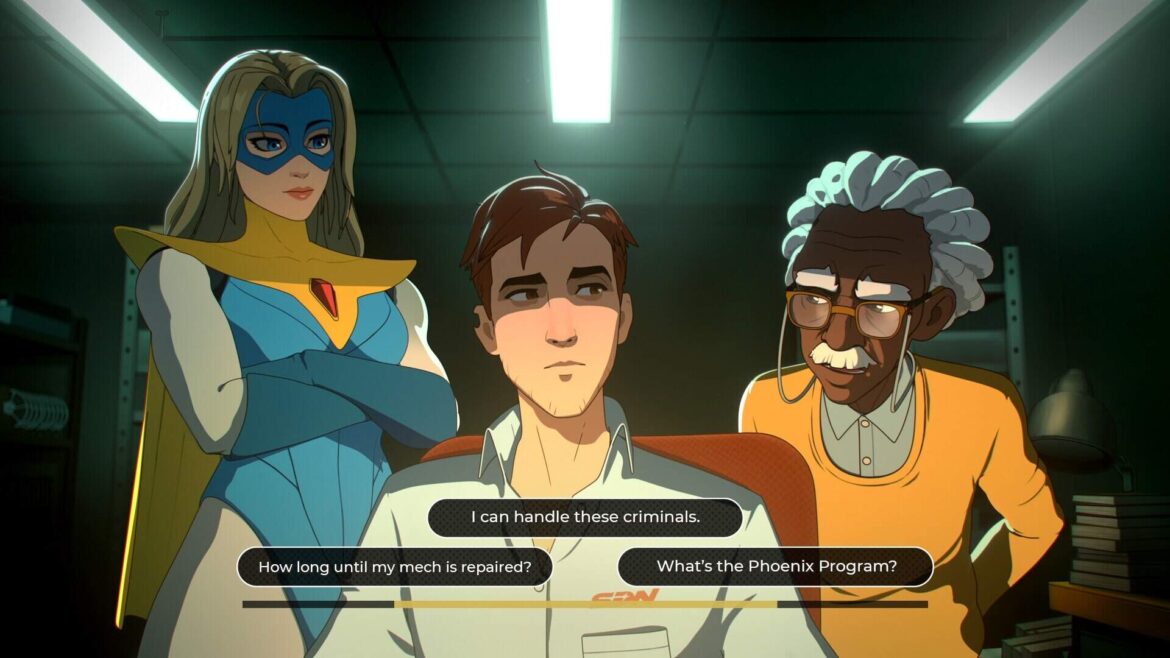
At its core, Dispatch is a management sim wrapped in a superhero narrative. The mechanics are carefully designed to create tension, replayability, and emergent storytelling. Key systems include:
- Call Prioritization: Incidents arrive in real time, each with its own urgency, complexity, and potential consequences. Players must decide which calls to handle first, balancing immediate threats against long-term strategy.
- Hero Assignment: Each superhero has unique powers, personalities, and quirks. Some are reckless, others meticulous. Assigning the right hero to the right call is crucial, as mismatched choices can escalate crises—or result in hilarious mishaps.
- Resource Management: Heroes have fatigue levels, morale, and cooldowns. Overworking them can solve one problem but create bigger crises later, requiring careful scheduling and foresight.
- Narrative Consequences: Every choice carries weight. How a call is handled may influence media perception, city morale, or the future behavior of heroes and villains. The game encourages strategic thinking while maintaining tension.
These systems combine to make each day in the call center feel dynamic, challenging, and uniquely rewarding. Players must multitask, anticipate outcomes, and weigh ethical decisions, all while responding to a constant stream of emergencies.
Humor, Drama, and Human Stories
While Dispatch offers tense decision-making, it also excels in storytelling. The game strikes a balance between dramatic stakes and irreverent humor. You’ll encounter heart-wrenching moments where citizens’ lives hang in the balance, juxtaposed with absurd situations like a villain demanding a coffee break mid-heist or a superpowered cat wreaking havoc across downtown.
The writing emphasizes the humanity behind heroism. Each call, each decision, highlights that being a hero—or coordinating heroes—isn’t just about powers. It’s about empathy, communication, and problem-solving. This grounded approach makes the game feel fresh, even to players who have seen every trope in superhero media.
Visual Style and Presentation
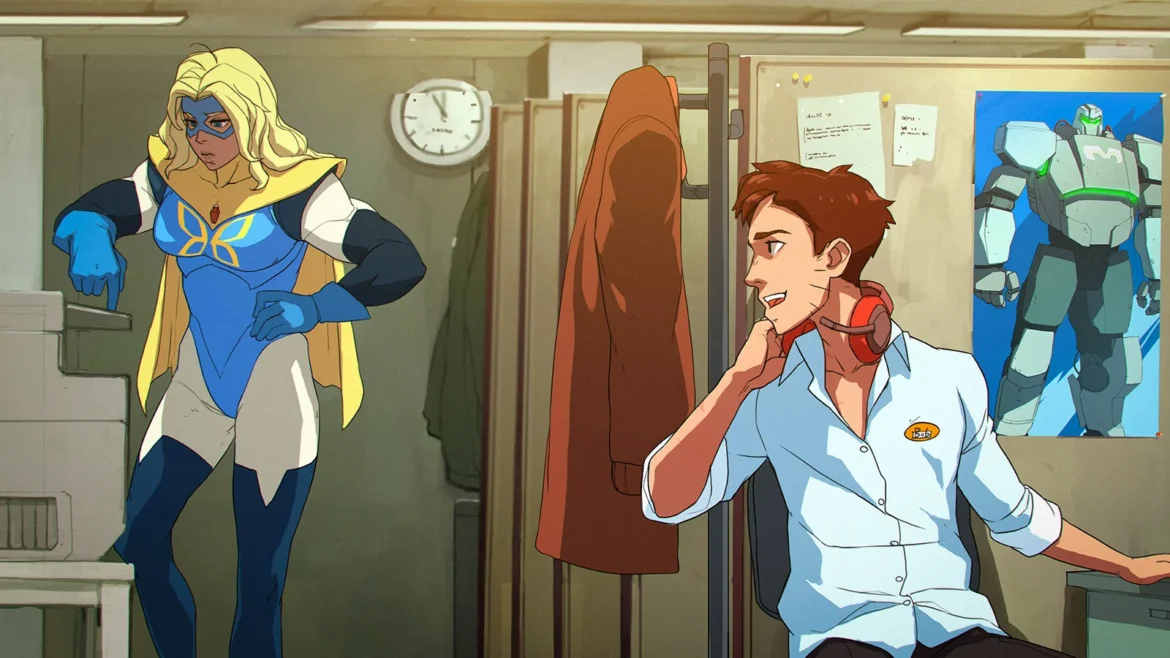
Dispatch uses a stylized, comic-inspired aesthetic that complements its tone. The UI is clean and intuitive, displaying calls, hero stats, and city maps without clutter. Character portraits and expressive animations bring each hero, villain, and citizen to life, while colorful city panels make the world feel vibrant and responsive.
The art style strikes the perfect balance between playful and serious. Visual cues guide players through complex management decisions, while comic-like panels and witty animations provide levity and charm without undermining tension.
Challenges and Replayability
One of Dispatch’s strengths is the tension that comes from balancing multiple priorities simultaneously. Juggling hero assignments, call priorities, and city resources can feel stressful, but this is intentional. Each decision matters, and the game encourages players to think critically and adapt on the fly.
Replayability is high due to:
- Randomized events that create unique calls and crises each session
- Multiple hero personalities and combinations that affect outcomes
- Branching narrative consequences that reward experimentation
Players can tackle the same scenario in vastly different ways, creating emergent stories that keep the game fresh over multiple playthroughs.
Development Insights
The team behind Dispatch embraced a philosophy of “small but impactful design.” By focusing on player experience, narrative integration, and strategic depth, they created a game that feels bigger than its indie roots. Development challenges included balancing complexity with accessibility, ensuring emergent gameplay didn’t overwhelm new players, and designing a dynamic city ecosystem that reacts to player decisions in meaningful ways.
Community feedback played a pivotal role. Beta testing helped refine hero abilities, call pacing, and UI clarity, ensuring that players could manage multiple emergencies without feeling lost. This iterative approach demonstrates the value of player-driven development in crafting nuanced, engaging indie games.
Why Dispatch Stands Out
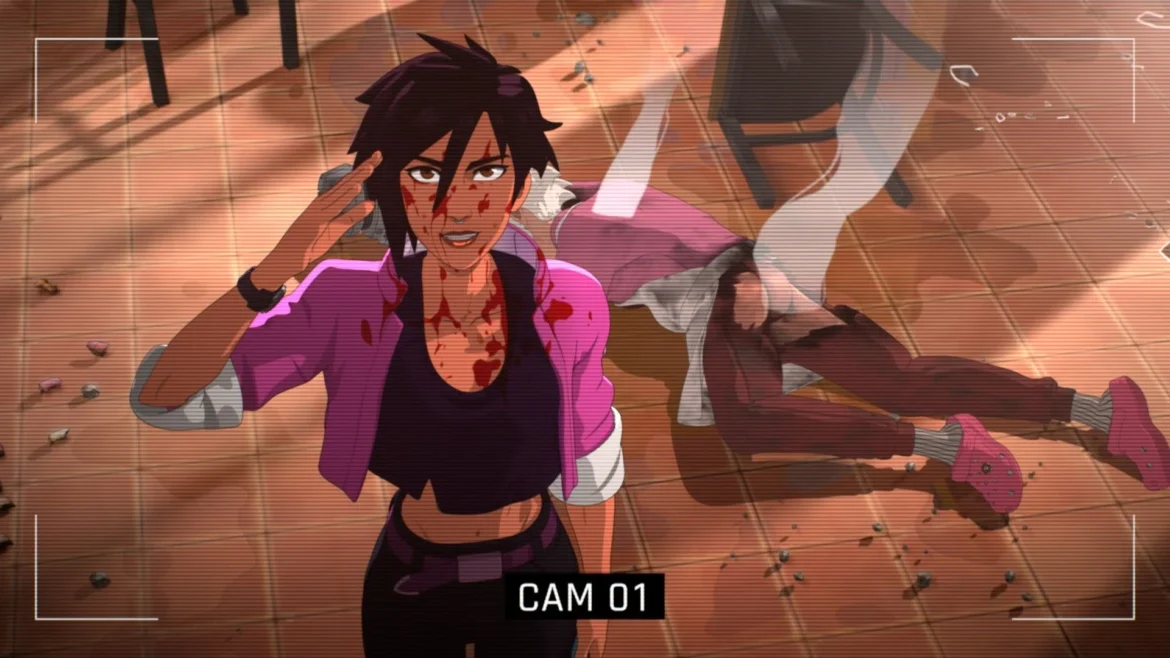
Dispatch is more than a superhero game—it’s a story about responsibility, human relationships, and the unseen work that goes into saving a city. Unlike traditional action-focused titles, it emphasizes:
- Strategic thinking and prioritization
- Ethical and narrative consequences
- Humor interwoven with genuine emotional stakes
- Emergent gameplay that rewards creativity and foresight
By reimagining the superhero genre from the perspective of a call center operator, Dispatch offers a unique experience that challenges players to consider what it truly means to “save the day.”
Final Thoughts
Dispatch succeeds by flipping the superhero formula on its head. It combines strategic management, engaging storytelling, and thoughtful design into an experience that is both entertaining and thought-provoking. The game is tense when it needs to be, funny when it can be, and always grounded in the human side of heroics.
For players seeking a narrative-rich, decision-driven experience that explores the complexities behind the superhero façade, Dispatch is a standout indie title. It’s a reminder that heroism isn’t just about powers—it’s about judgment, empathy, and the countless choices made behind the scenes to keep a city safe.
Dispatch isn’t about flying or punching villains—it’s about managing the chaos, making hard choices, and realizing that sometimes, the real hero work happens in the call center.