Over the past ten years, indie developers have pushed the boundaries of puzzle game design, proving that innovation, clever mechanics, and narrative integration can make even the simplest concepts feel fresh and unforgettable. From physics-based challenges to mind-bending narrative puzzles, these games have redefined what it means to think critically and creatively in gaming.
Here’s a compilation of the most creative indie puzzle games from the last decade, each offering a unique twist on problem-solving and interactivity.
1. Baba Is You – Rewriting the Rules
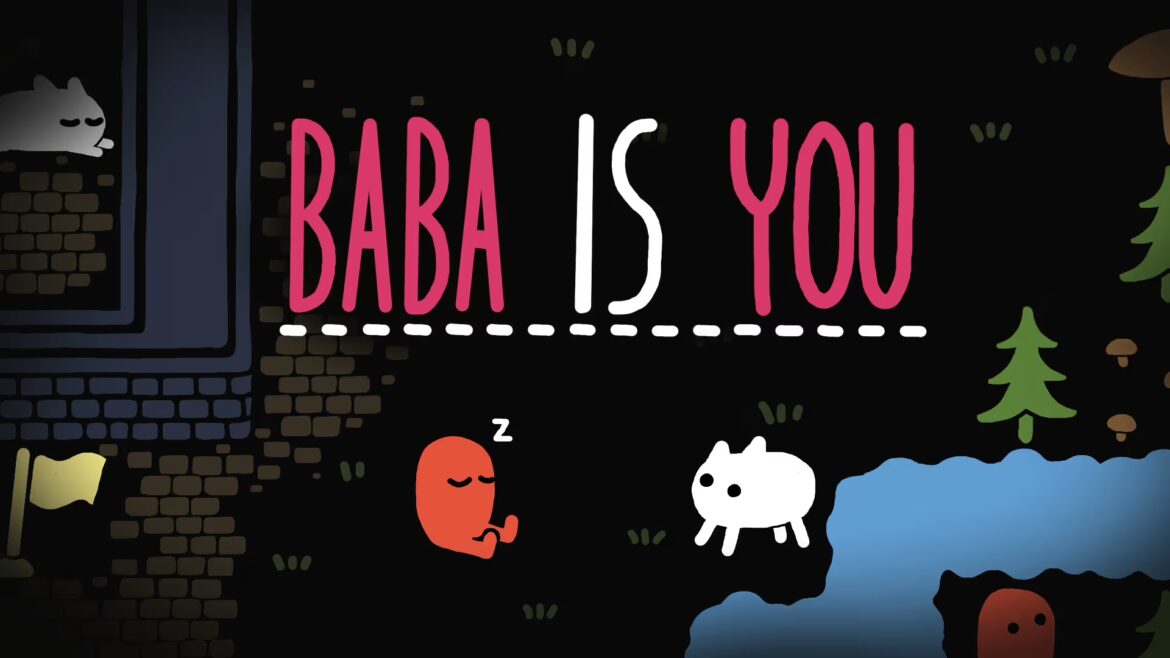
Baba Is You became an instant sensation for its innovative approach to puzzle mechanics. In this game, players manipulate the rules themselves, turning them into movable blocks that can be rearranged to solve each puzzle.
- Mechanics: Logical and linguistic manipulation—move “Baba,” “Is,” “You,” and other blocks to redefine what is true in the game world.
- Visuals & Atmosphere: Minimalist, grid-based graphics keep the focus on creativity and logic.
- Why It Stands Out: By allowing players to change the rules of the game itself, it challenges conventional thinking and transforms problem-solving into meta-level exploration.
2. The Witness – A Philosophical Approach to Puzzles
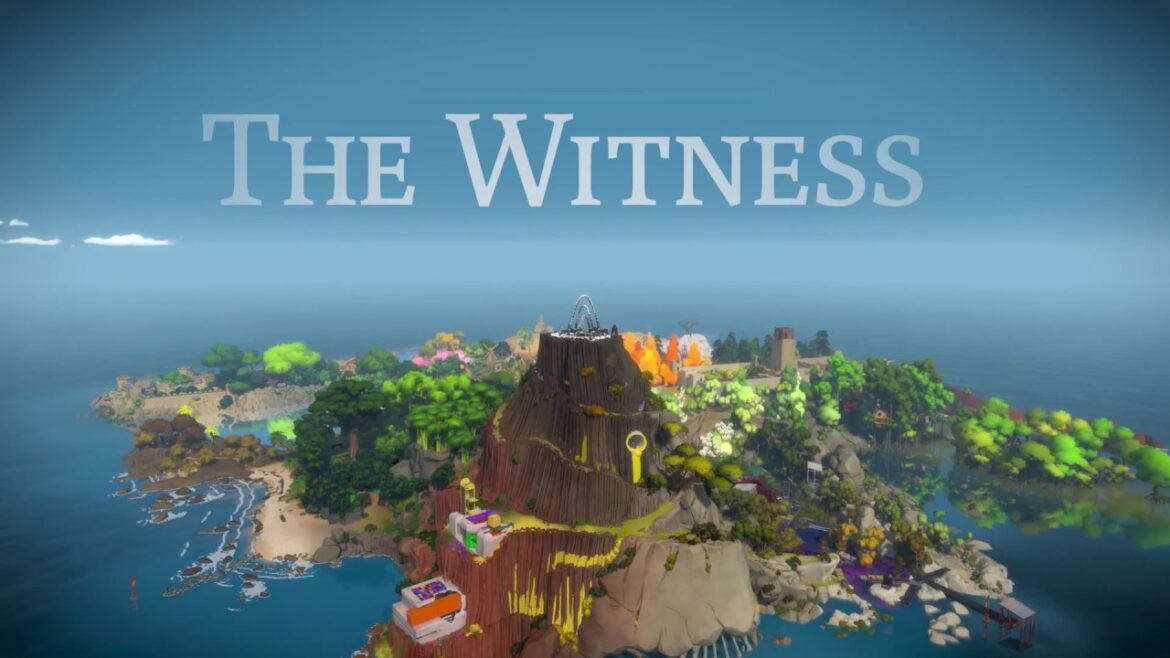
Jonathan Blow’s The Witness combines stunning island environments with intricate line-drawing puzzles that gradually teach new mechanics through exploration.
- Mechanics: Environmental and abstract logic puzzles that increase in complexity, requiring observation, pattern recognition, and lateral thinking.
- Visuals & Atmosphere: Vibrant, open-world island filled with subtle visual clues, where environment and puzzle design are deeply integrated.
- Why It Stands Out: It merges philosophy and design, using the act of puzzle-solving as a tool for self-reflection and discovery.
3. Return of the Obra Dinn – Deduction as Puzzle

Return of the Obra Dinn turns narrative investigation into a complex puzzle game. Players must deduce the fate of each crew member on a doomed merchant ship using logic, observation, and careful note-taking.
- Mechanics: Investigation and deduction rather than traditional puzzles; requires memory, inference, and attention to subtle visual and audio cues.
- Visuals & Atmosphere: Striking monochromatic 1-bit art style enhances focus and atmosphere.
- Why It Stands Out: It blends narrative and logic in a way few games have, making deduction a deeply rewarding puzzle mechanic.
4. Opus Magnum – Alchemy as Engineering

In Opus Magnum, players design alchemical machines that perform complex transformations, creating a sandbox for engineering creativity.
- Mechanics: Freeform mechanical puzzle-solving with modular parts; players optimize machines for efficiency, aesthetics, or speed.
- Visuals & Atmosphere: Elegant steampunk-inspired visuals make the machines themselves a joy to watch.
- Why It Stands Out: It transforms puzzle-solving into open-ended creative engineering, giving players multiple solutions for each problem.
5. Stephen’s Sausage Roll – Minimalist Yet Brutally Clever
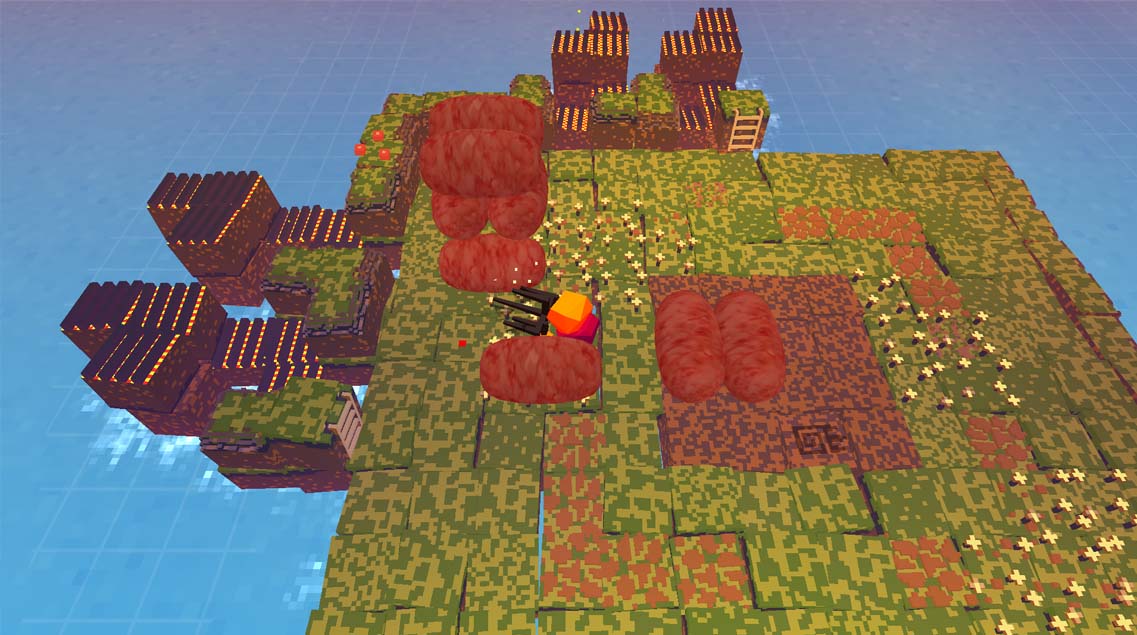
This deceptively simple-looking puzzle game challenges players to roll sausages onto grills, creating deeply complex spatial logic puzzles.
- Mechanics: Grid-based movement with rules that appear simple but require extreme foresight, patience, and planning.
- Visuals & Atmosphere: Minimalist, clean design focuses attention on spatial reasoning.
- Why It Stands Out: Its elegance lies in turning a mundane task—rolling sausages—into a brain-bending experience.
6. Tetris Effect – Puzzle Meets Emotion
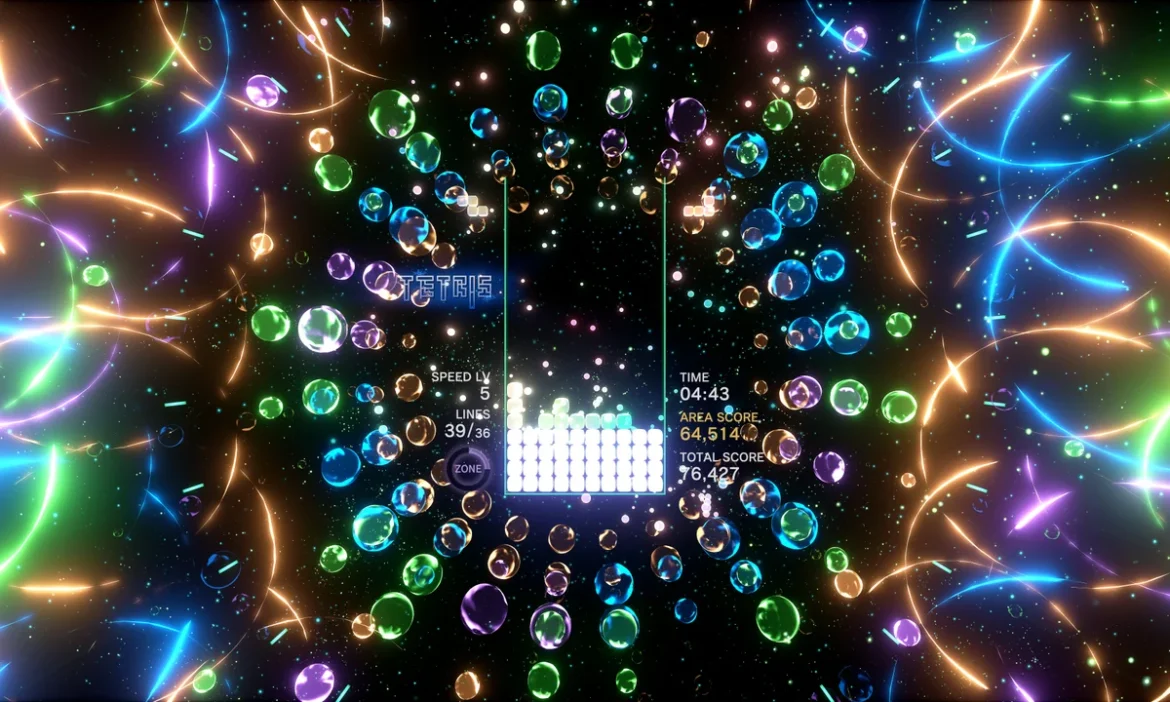
While Tetris itself isn’t new, Tetris Effect reimagines the classic with music, visuals, and interactivity that turn each piece into an emotional puzzle experience.
- Mechanics: Classic Tetris gameplay infused with timing, rhythm, and visual cues that interact with the soundtrack.
- Visuals & Atmosphere: Mesmerizing, dynamic visuals synchronized with music create an immersive, almost meditative puzzle environment.
- Why It Stands Out: It shows that innovation isn’t only about new mechanics—it can also come from presentation and emotional integration.
7. Return to Monkey Island: Puzzle Revamp – Narrative-Driven Logic
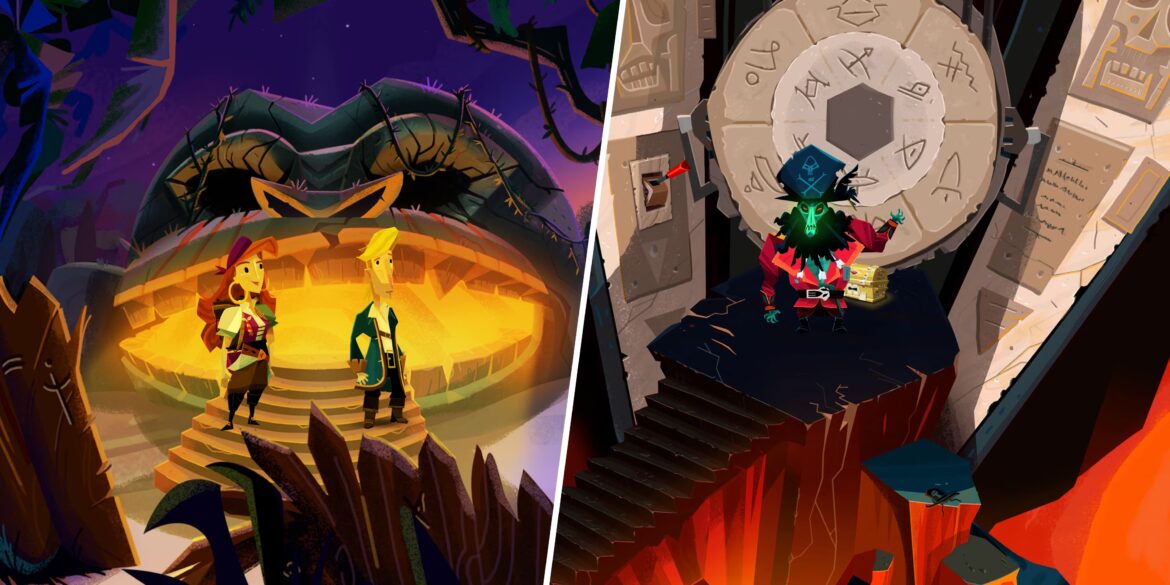
Indie studios working on puzzle-adventure hybrids like Return to Monkey Island focus on integrating story with clever, unexpected puzzles. Players must think creatively to advance the narrative.
- Mechanics: Traditional adventure puzzles that require observation, experimentation, and narrative context.
- Visuals & Atmosphere: Stylized cartoon visuals and humorous tone complement puzzle-solving.
- Why It Stands Out: Demonstrates how narrative can be woven directly into puzzle design, making problem-solving part of storytelling.
8. Catherine: Full Body (Indie Ported Spin-offs) – Physics Meets Morality
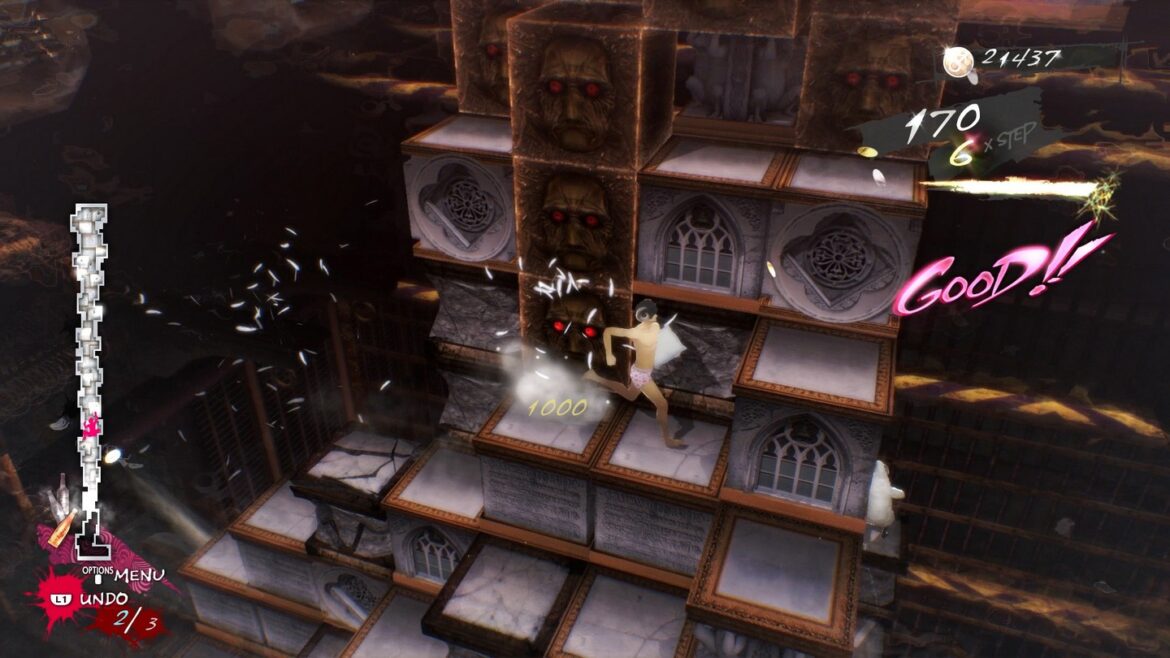
Several indie projects inspired by Catherine explore tower-climbing puzzles intertwined with moral and relationship choices, turning physics-based problem-solving into an emotionally charged experience.
- Mechanics: Physics-based climbing and block manipulation under pressure, with narrative consequences.
- Visuals & Atmosphere: Stylized anime-inspired visuals emphasize tension and emotion.
- Why It Stands Out: Combines puzzle mechanics with ethical storytelling, challenging players both mentally and emotionally.
Conclusion
The past decade has seen indie developers redefine what a puzzle game can be. Whether it’s rewriting rules in Baba Is You, solving complex deductions in Return of the Obra Dinn, engineering machines in Opus Magnum, or blending narrative with spatial challenges, these games show that creativity and innovation remain at the heart of indie development.
These titles prove that puzzles are more than just brain-teasers—they can be emotional, narrative-driven, and creatively liberating experiences. For players who enjoy thinking outside the box, exploring clever mechanics, or experiencing story through challenge, these games represent the very best of indie puzzle innovation.
From logic and deduction to physics and emotional integration, indie puzzle games of the last decade remind us that the most satisfying solutions are often the most creative ones.