
Since the release of Disco Elysium, the indie game scene has been thriving with titles that push the boundaries of narrative storytelling. These games focus on choice, consequence, and immersive world-building, proving that small studios can craft experiences as emotionally resonant and mechanically innovative as AAA productions.
Here’s a compilation of the most compelling narrative-driven indie games released in recent years, each offering unique perspectives, mechanics, and storytelling innovations.
1. Citizen Sleeper – Life on the Fringe of a Corporate Dystopia
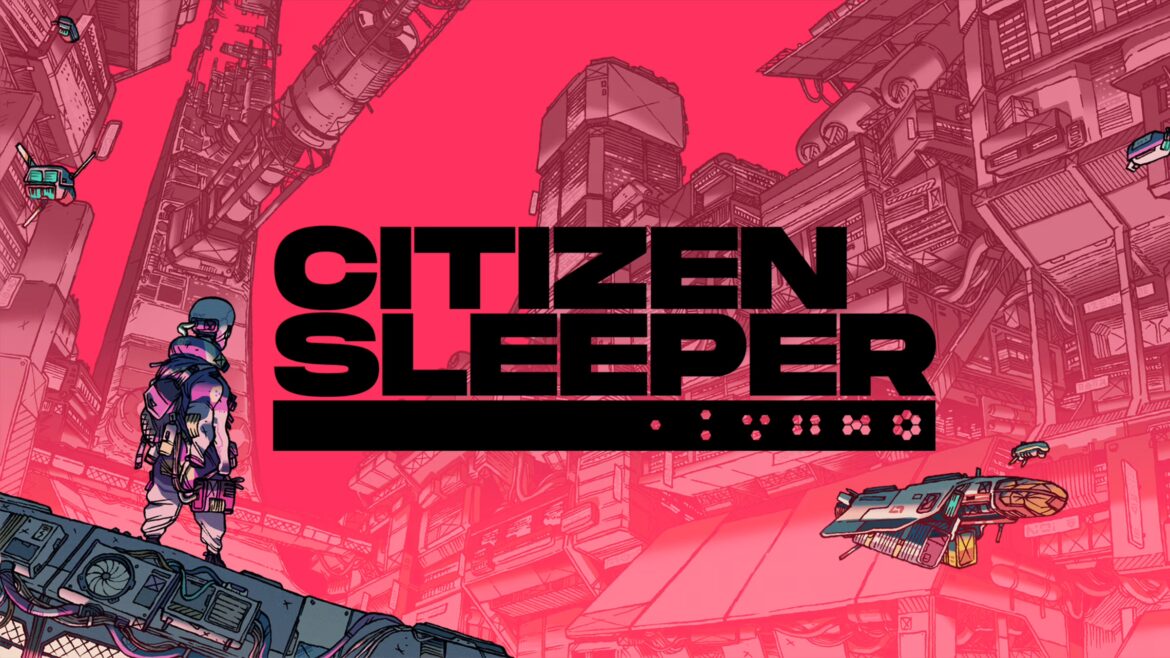
Citizen Sleeper transports players to a gritty sci-fi world where survival depends on wits, relationships, and careful planning. You play a “Sleeper,” a human consciousness in a rented body navigating corporate oppression and societal decay.
- Narrative Strengths: Choices are morally complex, affecting faction alliances, personal relationships, and the city’s evolving narrative.
- Gameplay: Combines resource management with branching dialogue and emergent story consequences.
- Visuals & Atmosphere: Minimalist, hand-crafted visuals and an evocative electronic soundtrack create tension and immersion.
- Why It Stands Out: Its systemic storytelling ensures the world reacts dynamically to your decisions, creating a uniquely lived-in experience.
2. Norco – Southern Gothic Cyberpunk

Set in a post-industrial Louisiana, Norco is a southern gothic adventure that blends point-and-click exploration with a richly layered narrative. The game focuses on environmental storytelling, corporate exploitation, and family trauma.
- Narrative Strengths: Lyrical writing and a deeply personal story grounded in regional culture create an unforgettable emotional experience.
- Gameplay: Exploration-based with puzzles that reinforce the story rather than interrupt it.
- Visuals & Atmosphere: Pixel-art environments richly detailed with industrial decay and subtle surreal touches.
- Why It Stands Out: It demonstrates how narrative depth can come from place, culture, and mood as much as from dialogue or choice.
3. Cult of the Lamb – Subversive Storytelling in a Cute Package
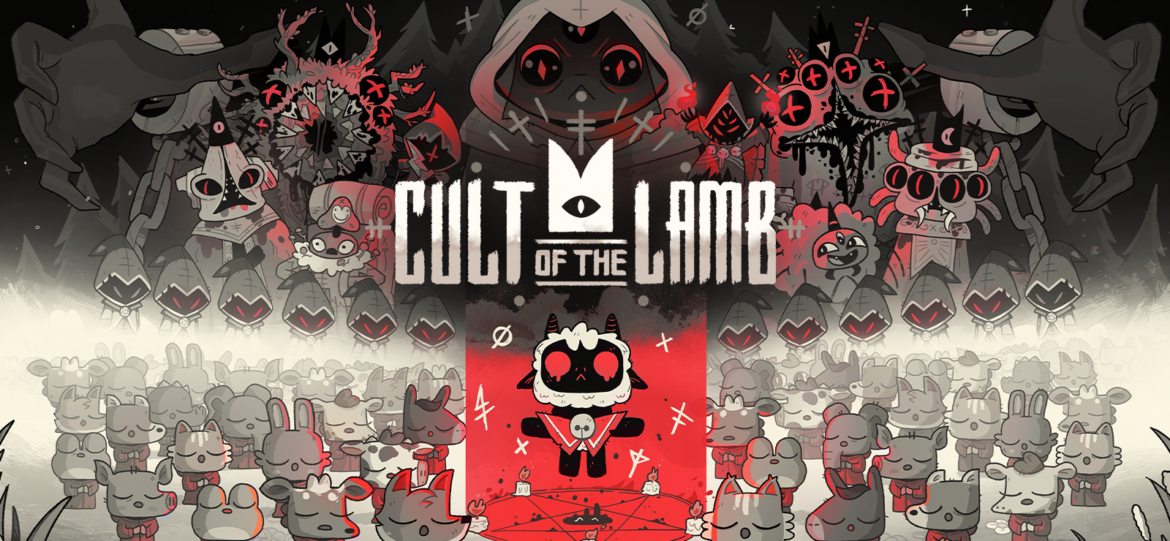
While often mistaken for a lighthearted action game, Cult of the Lamb incorporates narrative mechanics into a cult-management sim. Players lead a religious cult, navigating morality, rituals, and the influence of mysterious cosmic entities.
- Narrative Strengths: The game blends satire, dark humor, and player-driven morality in a story about devotion, corruption, and leadership.
- Gameplay: Combines base-building and roguelike combat with narrative-driven decisions that shape followers’ loyalty and outcomes.
- Visuals & Atmosphere: Cute, hand-drawn graphics contrast sharply with the game’s dark thematic undertones.
- Why It Stands Out: It proves that narrative can thrive even in games that look whimsical at first glance, using tone and player choice effectively.
4. Beacon Pines – A Storybook Murder Mystery
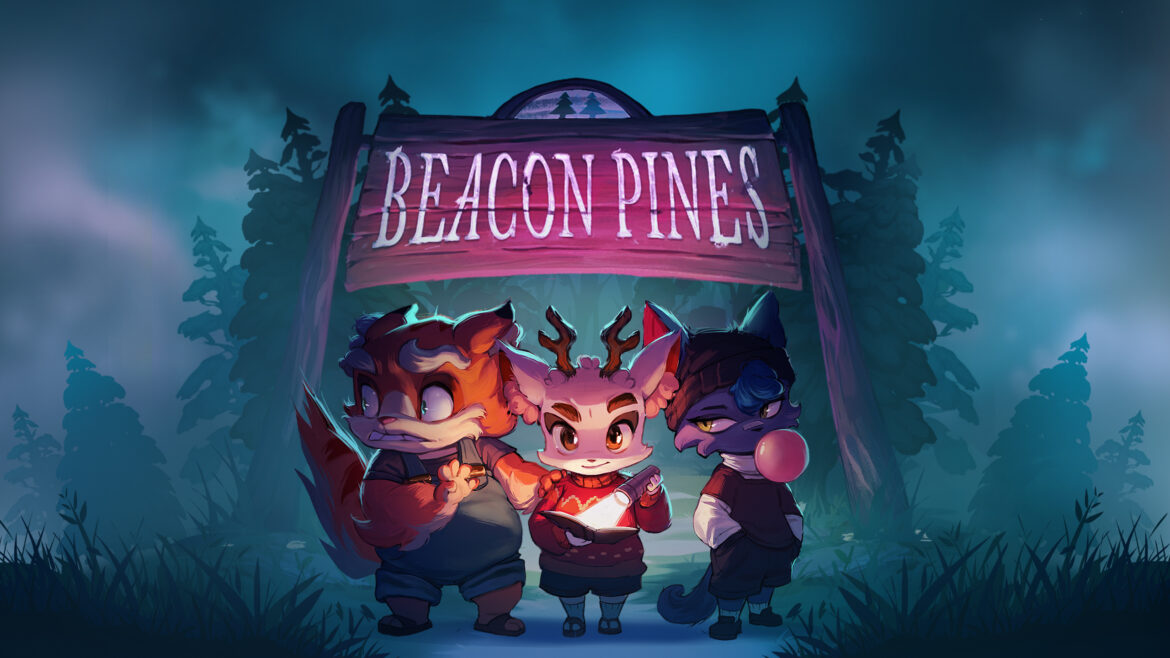
Beacon Pines is a narrative adventure that mixes point-and-click gameplay with spell-casting mechanics, telling a story of mystery, secrets, and coming-of-age intrigue.
- Narrative Strengths: Every choice influences character relationships and the story’s resolution, creating multiple branching paths.
- Gameplay: Adventure-style exploration combined with decision-based mechanics that directly impact the town and its residents.
- Visuals & Atmosphere: Storybook-inspired art gives the game a charming yet eerie aesthetic.
- Why It Stands Out: Its blend of narrative complexity and accessible mechanics makes it a compelling choice for players who love branching stories.
5. Chicory: A Colorful Tale – Narrative Through Creativity

Chicory combines painting mechanics with exploration and narrative choice. Players restore color to a black-and-white world, forging relationships and uncovering mysteries along the way.
- Narrative Strengths: The story explores themes of creativity, community, and personal expression, with dialogue choices affecting how characters perceive the player.
- Gameplay: Painting mechanics are deeply integrated into story progression, turning creativity into a narrative tool.
- Visuals & Atmosphere: Bright, hand-drawn visuals that transform as the player spreads color across the world.
- Why It Stands Out: It shows that gameplay mechanics can be deeply tied to storytelling, making narrative a lived experience rather than a scripted sequence.
6. Demonschool – Persona-Inspired Social Simulation RPG
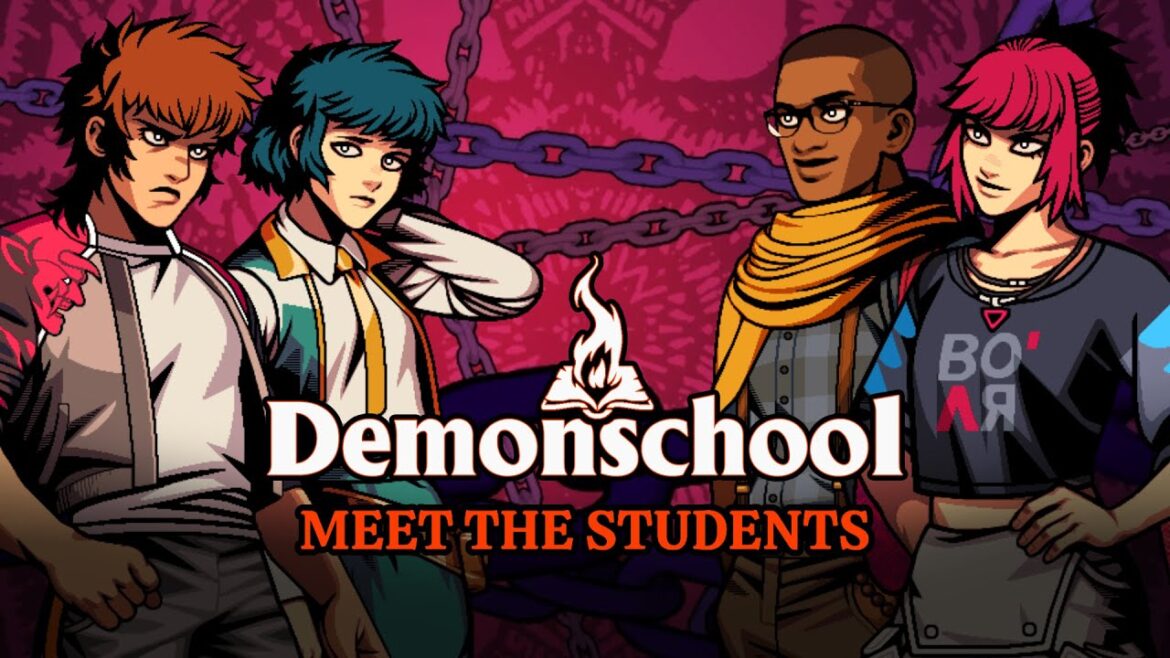
Demonschool blends school-life simulation with supernatural tactical combat. Players manage relationships, academics, and demon-fighting missions in a branching narrative where choices matter.
- Narrative Strengths: Character-driven storytelling emphasizes relationships, personal growth, and consequence.
- Gameplay: Tactical combat is intertwined with social simulation and time management, offering a multi-layered experience.
- Visuals & Atmosphere: Expressive anime-inspired art makes each character memorable and immersive.
- Why It Stands Out: Its combination of social mechanics and tactical RPG elements demonstrates narrative complexity in an accessible indie format.
Conclusion
Since Disco Elysium, indie games have proven that storytelling doesn’t require AAA budgets or massive teams. Whether through sci-fi intrigue, magical realism, psychological horror, or social simulation, indie developers continue to push the boundaries of what interactive narratives can achieve.
The games in this compilation exemplify how small teams can create worlds that feel alive, characters that resonate, and stories that challenge players morally, emotionally, and creatively. They prove that the post-Disco Elysium era of narrative indies is defined by innovation, ambition, and heart.
From corporate dystopias to colorful magical worlds, indie games are reminding players that storytelling is at the core of what makes games meaningful—and that even small studios can leave a lasting impact on the medium.