
Since the release of Hades, the roguelike genre has experienced a surge of creativity, blending procedural generation, narrative depth, and fast-paced gameplay to create unforgettable experiences. Indie developers, in particular, have embraced the challenge of innovating on the formula, combining tight mechanics with striking visuals, inventive combat, and in some cases, strong narrative arcs.
In this compilation, we explore some of the best roguelike games released after Hades, highlighting how they push the genre forward and offer unique experiences for both new players and veteran fans.
1. Neon Abyss – High-Octane Action With Procedural Flair

Neon Abyss combines frenetic combat with roguelike progression in a neon-soaked, procedurally generated underworld. Players descend through increasingly chaotic levels, unlocking new weapons, abilities, and narrative lore as they go.
- Gameplay Mechanics: Fast-paced twin-stick shooting with randomized levels, powerful combos, and diverse item synergies.
- Visuals & Atmosphere: Vibrant neon aesthetics, detailed enemies, and animated environmental hazards create a sense of chaotic fun.
- Why It Stands Out: Its blend of roguelike unpredictability and intense, skill-driven action keeps players coming back, rewarding both reflexes and strategy.
2. Death’s Door – Roguelite Adventure With Souls-Like Combat
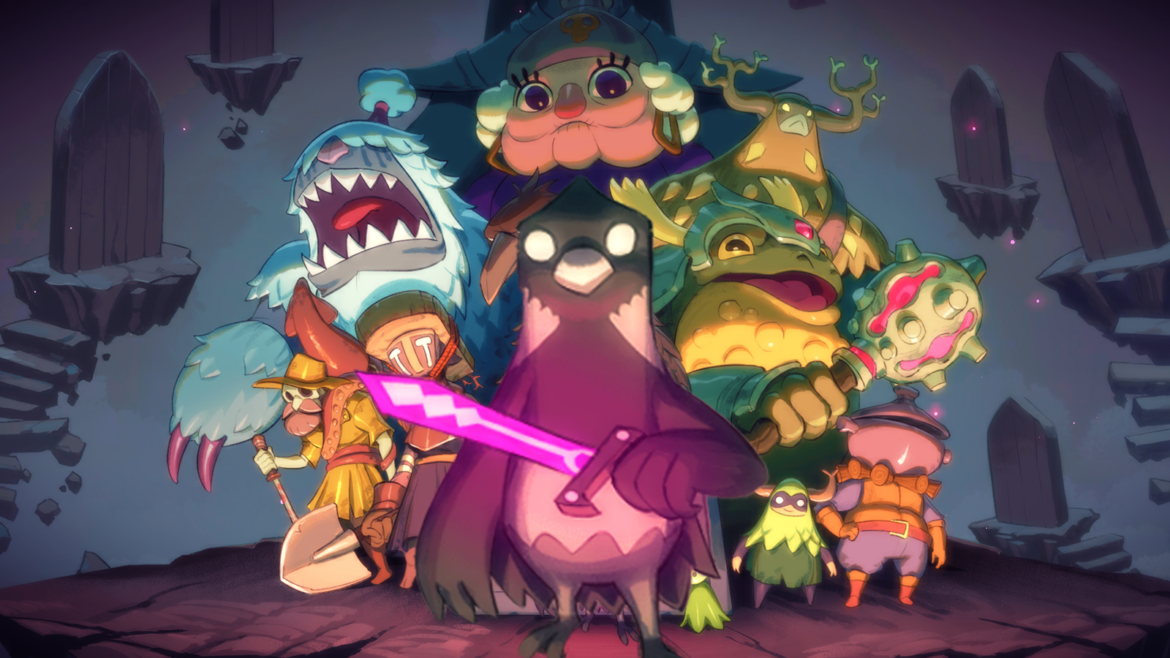
While not fully procedural, Death’s Door incorporates roguelike elements into its combat, exploration, and progression systems. Players control a small crow tasked with collecting souls in a mysterious, interconnected world.
- Gameplay Mechanics: Combines tight, responsive combat with exploration-based progression and optional secret bosses.
- Visuals & Atmosphere: Darkly whimsical environments filled with imaginative characters and a hauntingly melodic soundtrack.
- Why It Stands Out: Its atmospheric world-building and challenging combat provide a sense of accomplishment that aligns with roguelike replayability.
3. Slay the Spire 2 – Card-Based Strategy Roguelike

Following in the footsteps of the original Slay the Spire, this sequel expands the card-driven roguelike formula with new classes, synergies, and branching paths.
- Gameplay Mechanics: Deck-building with strategic combat; every choice of cards and relics impacts each run’s outcome.
- Visuals & Atmosphere: Stylized, hand-drawn art with clear card design ensures readability during complex encounters.
- Why It Stands Out: By adding new mechanics and challenges, Slay the Spire 2 keeps the deck-building genre fresh while maintaining addictive replayability.
4. Curse of the Dead Gods – Dark Combat Meets Roguelike Progression

Curse of the Dead Gods blends dungeon crawling with roguelike risk-and-reward systems, emphasizing both combat skill and strategic planning.
- Gameplay Mechanics: Procedurally generated dungeons, cursed relics with powerful benefits and drawbacks, and fast-paced melee/ranged combat.
- Visuals & Atmosphere: Atmospheric dark fantasy with dynamic lighting and intricate enemy design enhances tension.
- Why It Stands Out: Its “curse” mechanics force players to make trade-offs, adding depth and replayability while keeping combat exciting.
5. Gunfire Reborn – Roguelike FPS Innovation

Gunfire Reborn brings roguelike principles to the first-person shooter genre. Players select heroes with unique abilities and weapons to navigate procedurally generated maps filled with enemies and secrets.
- Gameplay Mechanics: FPS combat combined with character progression, randomized weapon drops, and skill upgrades.
- Visuals & Atmosphere: Colorful, slightly cartoonish environments balance tension with accessibility, making chaotic action visually digestible.
- Why It Stands Out: Its fusion of roguelike randomness with shooter mechanics delivers high replay value and satisfying skill-based gameplay.
6. Hollow Knight: Silksong – Metroidvania Meets Roguelite Elements

While primarily a Metroidvania, Silksong incorporates roguelite-style challenge modes and procedural boss variants, providing players with replayable content in a narrative-rich world.
- Gameplay Mechanics: Fluid platforming, precise combat, and unlockable abilities; optional challenge dungeons feature randomized enemy setups.
- Visuals & Atmosphere: Lush, hand-drawn environments and haunting musical compositions reinforce exploration and tension.
- Why It Stands Out: It demonstrates that roguelike elements can enhance replayability in even narrative-driven, hand-crafted worlds.
7. Dicey Dungeons – Roguelike Chaos Through Dice
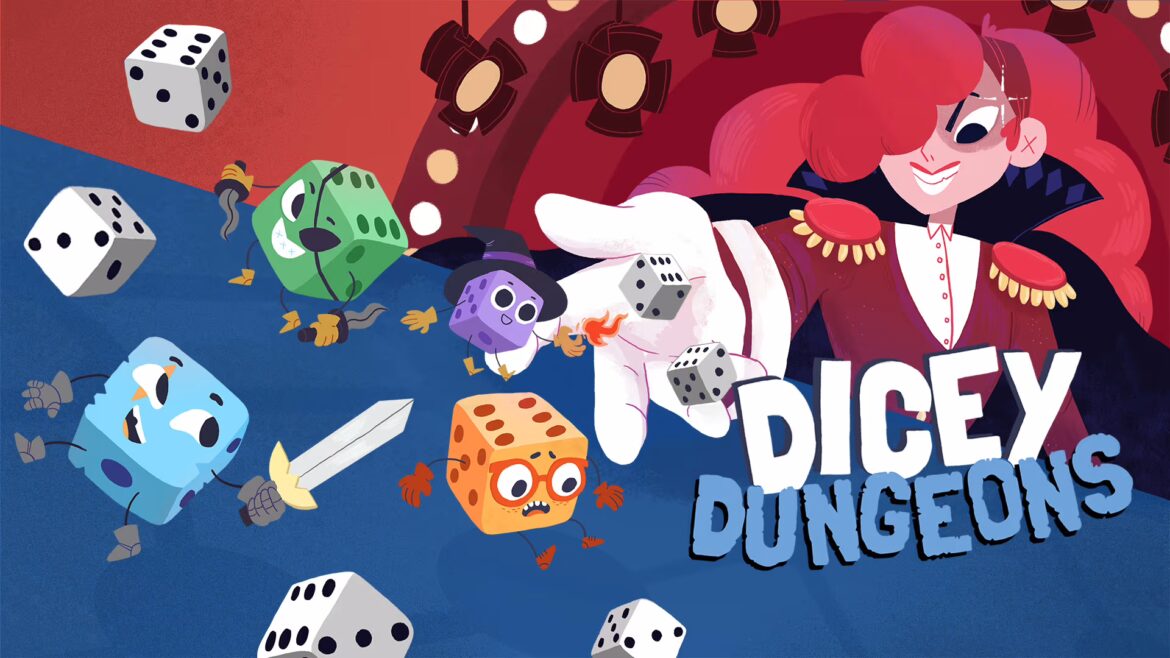
Dicey Dungeons reimagines roguelike combat as a dice-based strategy game, where luck and planning go hand in hand. Players roll dice to perform attacks, block damage, and activate abilities.
- Gameplay Mechanics: Turn-based combat combined with dice management, character classes, and strategic resource allocation.
- Visuals & Atmosphere: Colorful, cartoony aesthetics make complex mechanics approachable while adding personality to each encounter.
- Why It Stands Out: Its unique dice mechanics bring a fresh twist to roguelike design, making each run unpredictable and engaging.
8. Fights in Tight Spaces – Tactical Card Combat Meets Roguelike Strategy

This innovative title blends card-based strategy with action-packed combat. Players choreograph fights using tactical card choices in procedurally generated encounters.
- Gameplay Mechanics: Turn-based combat where each card represents a move, balancing risk, positioning, and timing.
- Visuals & Atmosphere: Minimalist yet stylish, focusing attention on strategy and enemy positioning.
- Why It Stands Out: Its integration of tactical card mechanics into roguelike progression creates a satisfying fusion of planning and improvisation.
Conclusion
The post-Hades era has proven that the roguelike genre is far from exhausted. Indie developers continue to innovate, combining procedural generation, tight combat, narrative depth, and unconventional mechanics to create experiences that are as varied as they are replayable.
From deck-building strategy in Slay the Spire 2, to fast-paced FPS action in Gunfire Reborn, to dice-driven chaos in Dicey Dungeons, these titles demonstrate the limitless potential of roguelikes. Whether you crave skill-based combat, strategic decision-making, or narrative exploration, the modern roguelike landscape has something extraordinary to offer.
The roguelike genre thrives on challenge, creativity, and unpredictability—and in the years following Hades, indie developers have proven it can continue to reinvent itself in thrilling and unexpected ways.