In a gaming world often dominated by sprawling open-world adventures, fast-paced shooters, and hyper-realistic visuals, cozy building games have carved out a uniquely relaxing niche. At the forefront of this trend is Pounce Light, a small indie studio whose whimsical title Tiny Glade has captured the hearts of players worldwide. Through thoughtful design, charming visuals, and a focus on creative freedom, Tiny Glade has become a symbol of the “cozy building” genre.
This is the story of how a small team turned a simple idea into a phenomenon, redefining what a building-and-creation game can be in 2026.
The Origins of Pounce Light
Pounce Light was founded by a tight-knit group of friends passionate about games that were both engaging and emotionally uplifting. Unlike many studios chasing trends or blockbuster appeal, they wanted to create an experience that prioritized joy, creativity, and relaxation.
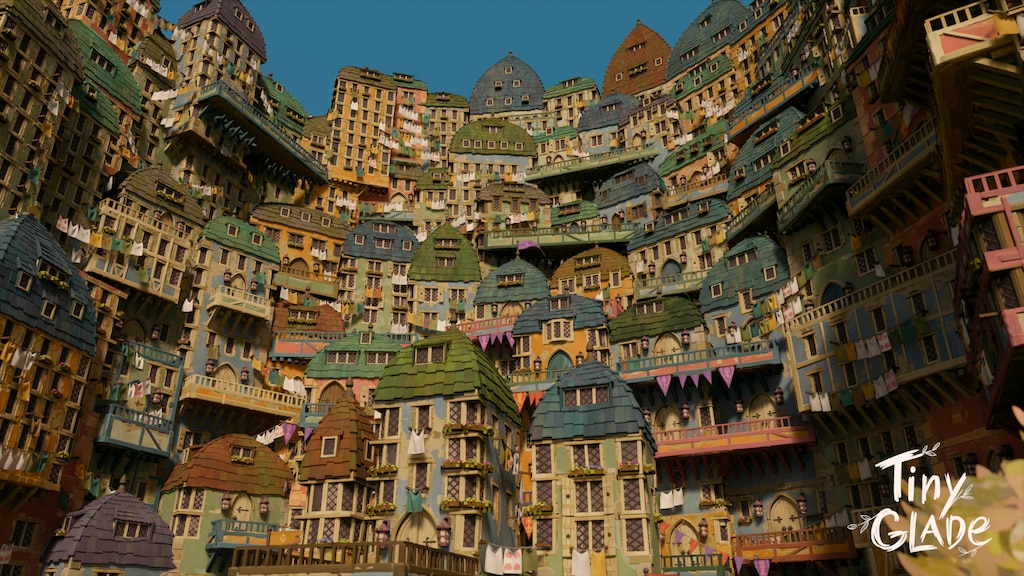
Early prototypes focused on basic building mechanics: placing objects, arranging interiors, and experimenting with environmental interactions. Even in these early stages, the team emphasized accessibility and intuitive design. They explored various visual styles, ultimately settling on a soft, painterly aesthetic that would become the signature look of Tiny Glade.
The guiding principle was clear: create a world where players felt at home, free to explore, build, and express themselves without pressure or rigid objectives.
Crafting the Cozy Appeal
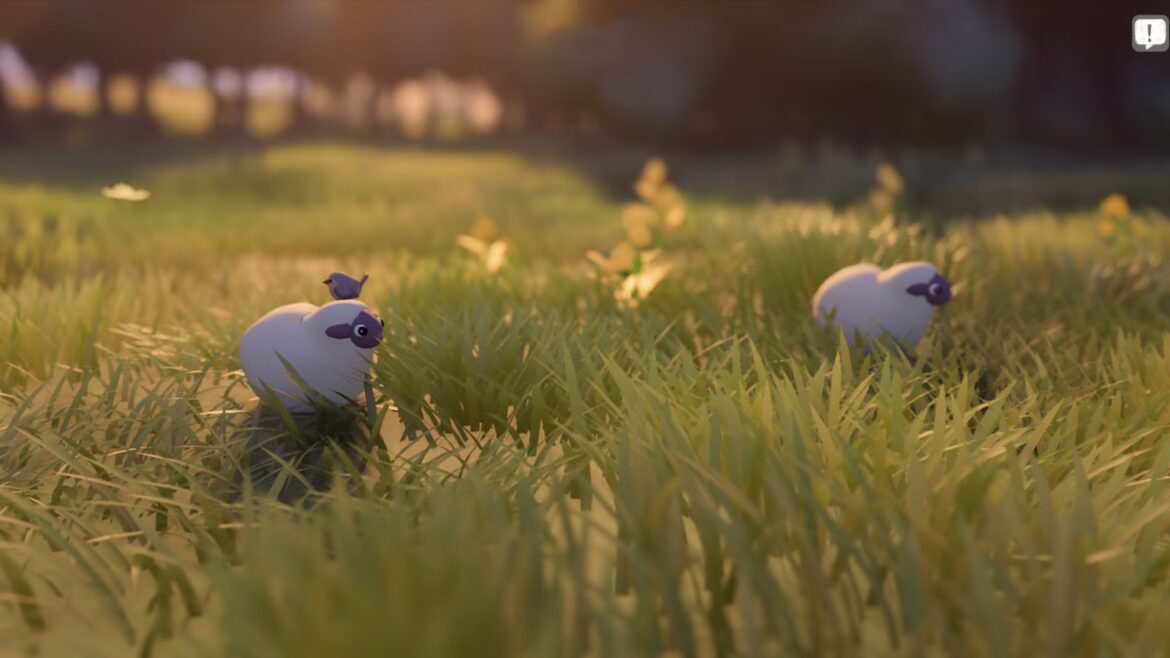
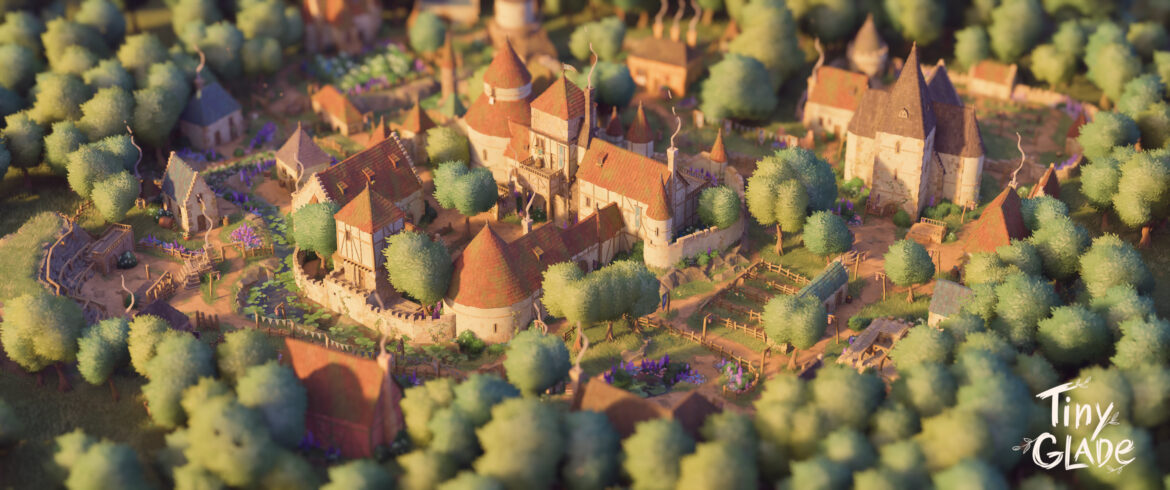
Tiny Glade’s charm lies in its combination of freedom, interaction, and atmosphere. Players are encouraged to build, decorate, and inhabit their own little glade, complete with cottages, gardens, and dynamic wildlife.
Key design elements include:
- Intuitive Building Mechanics: Objects snap together naturally, rotate smoothly, and allow creative combinations. This makes complex structures possible without frustration.
- Gentle Progression: The game flows at the player’s pace, with no penalties for taking time to explore or redesign.
- Inviting Aesthetic: Soft colors, rounded shapes, and fluid animations create a warm, comforting environment.
- Dynamic Ecosystem: Wildlife, weather changes, and seasonal cycles make the glade feel alive, encouraging exploration and engagement.
The result is a game that feels like a digital retreat, offering both relaxation and creative satisfaction.
Development Challenges and the Indie Journey
Creating Tiny Glade was not without its hurdles. As a small indie studio, Pounce Light faced limited resources, requiring careful prioritization and innovative solutions.
Balancing Simplicity and Depth
One challenge was ensuring that the game remained accessible to newcomers while offering meaningful depth for creative players. The solution involved:
- Modular building systems that encouraged experimentation without overwhelming complexity
- Gradual introduction of objects and customization options to teach players naturally
- Emergent storytelling through interactions with NPCs, wildlife, and environmental events
Technical Innovation on a Budget
With limited team size, the developers had to optimize performance while maintaining visual charm. Stylized graphics, parallax backgrounds, and lightweight particle effects were employed to give a polished, vibrant look without requiring extensive hardware or large production pipelines.
Iterative Development
Early demos and community testing were critical. Feedback helped refine the interface, adjust building mechanics, and introduce features players truly wanted. The iterative approach ensured that each update improved gameplay and strengthened player engagement.
Community as a Cornerstone
From the beginning, Pounce Light viewed players as partners in the game’s evolution. The studio actively encouraged community participation through:
- Sharing development progress on blogs and social media
- Hosting beta testing events to gather feedback on new mechanics
- Highlighting player creations in official showcases, inspiring others and building a sense of shared creativity
This approach not only improved the game’s design but also fostered a passionate and loyal fanbase that continues to support Tiny Glade and its updates.
Unique Gameplay Mechanics
While the building mechanics are the backbone, Tiny Glade distinguishes itself with several innovative systems:
- Organic Resource Management: Players gather materials from their environment naturally, without intrusive tutorials or micromanagement.
- Dynamic Wildlife Interactions: Animals respond to player actions, ecosystem changes, and seasonal events, creating emergent narratives within the glade.
- Seasonal Cycles: Changes in weather and seasons influence resources, wildlife behavior, and aesthetic atmosphere, encouraging players to adapt and explore.
These mechanics ensure that creativity is not static but intertwined with a living, reactive world.
Reception and Impact
Since its release, Tiny Glade has garnered acclaim for its accessibility, charm, and depth. Streamers and content creators have embraced the game, showcasing elaborate builds, unique gardens, and imaginative cottages.
Players praise its ability to provide a safe, creative space—a rare experience in a world of high-pressure gaming. Critics note that Tiny Glade exemplifies the potential of cozy building games to deliver meaningful, immersive experiences without relying on combat or competitive systems.
Expanding the World
Looking forward, Pounce Light plans to expand Tiny Glade with seasonal updates, new building materials, and additional biomes to explore. The studio also hints at more dynamic interactions between wildlife and player creations, further deepening immersion.
These updates aim to maintain the game’s core cozy ethos while providing fresh content that encourages long-term engagement. The vision is a continually evolving world where players’ creativity drives the experience, ensuring that every visit to the glade feels personal and unique.
Lessons From Pounce Light
The journey of Tiny Glade offers valuable insights for indie developers:
- Emotion-Driven Design: Games that evoke positive feelings, creativity, and relaxation can create lasting player connections.
- Community Engagement: Involving players in development strengthens both the game and its audience.
- Innovation in Simplicity: Thoughtful mechanics and visual design can produce rich experiences without enormous teams or budgets.
Pounce Light demonstrates that understanding player needs and emphasizing emotional resonance can be as powerful as technical prowess in creating memorable games.
Why Tiny Glade Is a Phenomenon
Tiny Glade stands out not just as a cozy building game, but as a cultural touchstone within the genre. It combines:
- Creative freedom for players to express themselves
- Relaxing, emotionally resonant gameplay
- A supportive, engaged community that shares and celebrates creations
Through careful design and a player-centric philosophy, Pounce Light has turned a small indie idea into a phenomenon that redefines what a building game can achieve.
Tiny Glade is more than a game—it’s a sanctuary, a canvas, and a community. Pounce Light’s vision has shown the power of indie innovation, proving that thoughtful design and heart can create something truly magical.