In an industry dominated by teams of dozens or hundreds, the story of Blue Prince stands out as a testament to perseverance, passion, and creative vision. What began as a single developer’s dream has grown into one of the most ambitious indie RPGs of recent years—a project that took eight years to complete. The journey behind Blue Prince offers a rare glimpse into the challenges, triumphs, and personal dedication that define long-term solo game development.
A Dream Takes Root
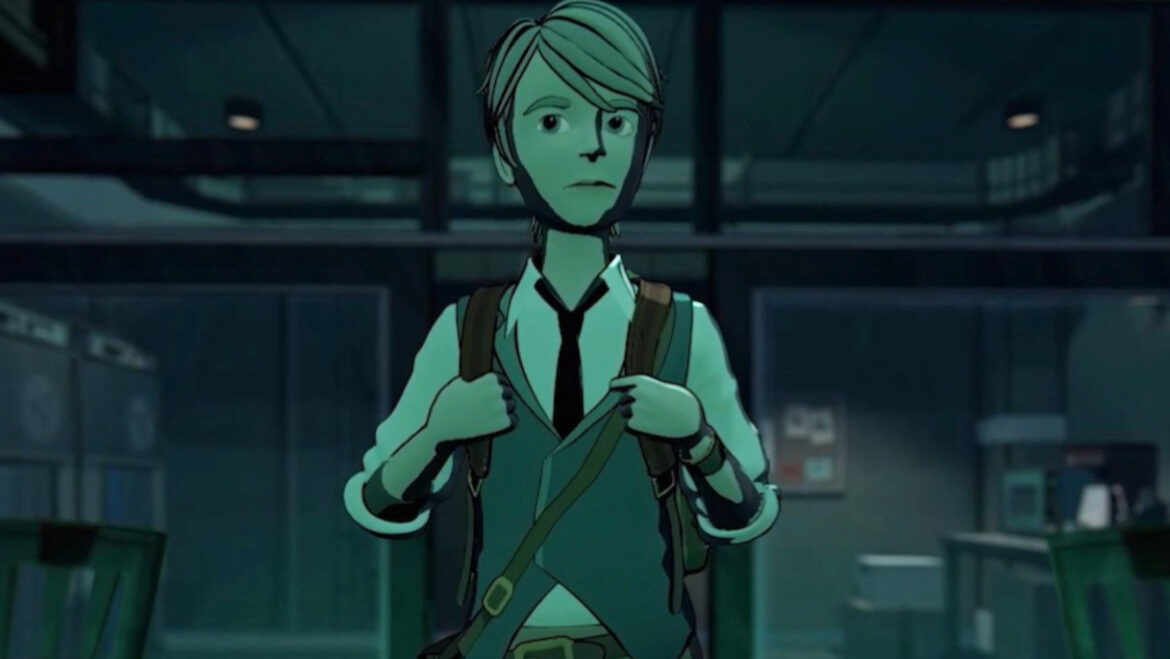
The developer behind Blue Prince started with a simple idea: to create a narrative-driven RPG that combined classic role-playing elements with modern storytelling techniques. Inspired by the heroes of 16-bit RPGs and the deep lore of modern indie hits, the vision was clear—but executing it alone would be a monumental task.
Working solo meant balancing programming, art, design, and storywriting. Every element of the game, from sprite animation to battle systems, was crafted with painstaking care. Early prototypes were rough, but they allowed the developer to experiment with mechanics, narrative structures, and world-building without external constraints.
Overcoming the Challenges of Solo Development
Creating an entire RPG alone presents unique challenges:
- Scope Management: The developer had to constantly assess which features were essential, which could be simplified, and which risked derailing the project.
- Time and Motivation: Working for years without immediate feedback required a strong personal drive and passion for the project. Burnout was a constant threat, but milestones and small victories helped maintain momentum.
- Technical Mastery: Handling programming, art, music, and storytelling required learning multiple disciplines simultaneously. Mistakes were inevitable, but each failure became a lesson that improved the final product.
The eight-year timeline is a reflection not of inefficiency but of the sheer scope and ambition of creating an entire world single-handedly.
Building a Living World
A defining feature of Blue Prince is its immersive world. The solo developer invested years crafting interconnected regions, diverse towns, and dynamic ecosystems, giving players a sense of exploration and discovery.
Environmental storytelling plays a central role: every village, dungeon, and hidden path contains lore, quests, and subtle visual cues that deepen the narrative experience. Even minor NPC interactions were written to feel meaningful, contributing to a cohesive world where choices matter.
A Unique Art Style
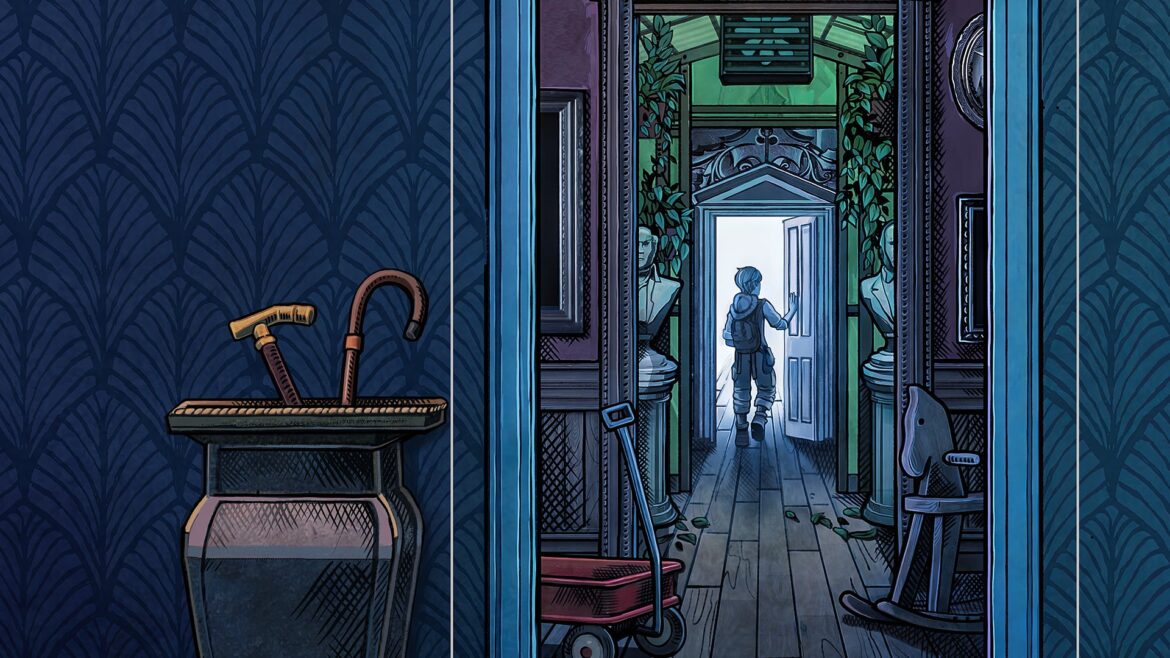
Without a team of artists, the developer embraced a pixel-based aesthetic, reminiscent of classic RPGs but with modern polish. This choice allowed for efficiency without sacrificing style:
- Character Design: Sprites were carefully animated to express personality and emotion in just a few frames.
- World Building: Backgrounds combined layered tilesets, parallax effects, and dynamic lighting to create depth.
- Consistency: Working alone allowed the developer to maintain a cohesive artistic vision throughout the entire game.
The result is a visual style that feels both nostalgic and contemporary, appealing to longtime RPG fans and newcomers alike.
Music, Sound, and Atmosphere
The developer also composed or sourced music and sound effects, understanding that audio plays a vital role in creating atmosphere. From sweeping orchestral tracks for dramatic moments to subtle environmental sounds in towns and forests, every audio element was designed to enhance immersion.
This level of control ensured that the auditory experience matched the narrative tone, further drawing players into the game world.
Lessons Learned Through Persistence
Eight years of solo development is a journey of continuous learning. The developer behind Blue Prince gained invaluable skills in multiple disciplines, honed problem-solving abilities, and learned how to manage a long-term creative project.
Key lessons included:
- Patience is essential: Complex projects evolve slowly, and persistence pays off.
- Focus on what matters: Prioritizing core gameplay and story prevented scope creep from undermining the project.
- Community matters: Sharing early demos and receiving feedback helped refine mechanics and validate design choices.
These lessons not only shaped Blue Prince but also prepared the developer for future projects, potentially expanding to collaborations or larger-scale endeavors.
Reception and Impact
Upon release, Blue Prince was celebrated for its depth, world-building, and narrative complexity. Critics and players alike recognized the incredible effort required to create such a game solo. The success of Blue Prince demonstrates that dedication and vision can produce experiences rivaling those of larger studios.
The game has inspired other aspiring solo developers, showing that even ambitious projects are achievable with commitment, creativity, and perseverance.
Looking Ahead

With Blue Prince completed, the developer now has the opportunity to expand the universe, add new content, or explore entirely new projects. The lessons learned over eight years provide a foundation for even more ambitious indie development in the future.
The story of Blue Prince is a reminder that great games can come from a single mind, fueled by passion and guided by patience. It’s a celebration of what indie developers can achieve when they commit fully to their vision, no matter how long the journey takes.
Why Blue Prince Matters
Blue Prince stands as a testament to the power of solo development. It shows that:
- Creative vision can flourish even without a team.
- Long-term dedication can produce world-class indie experiences.
- Passion and perseverance are as critical as technical skill in game development.
The journey behind Blue Prince is as inspiring as the game itself—a story of determination, creativity, and the unwavering belief that a single developer can create something truly remarkable.