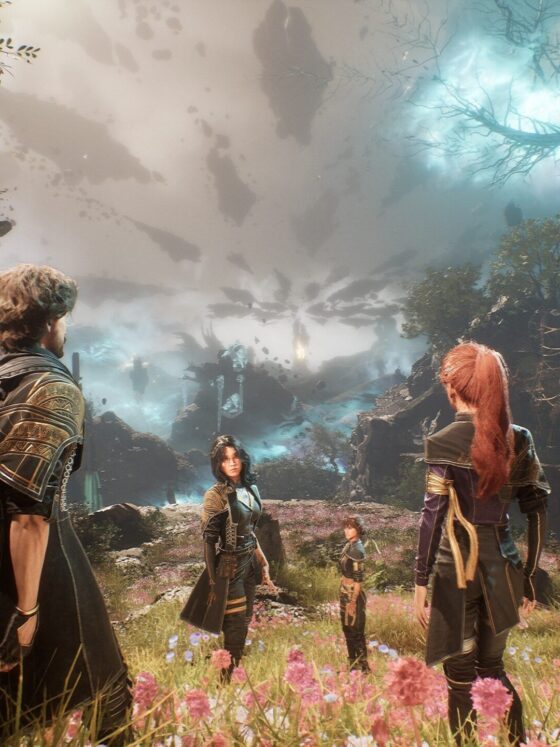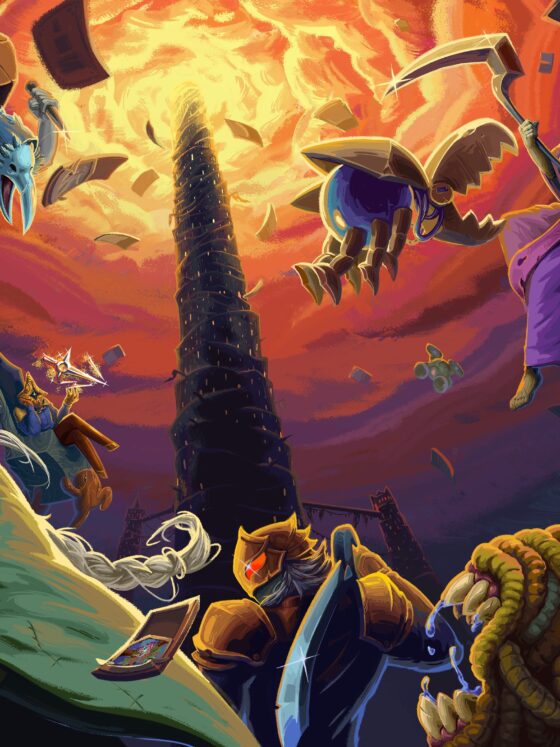
In an era of ultra-realistic graphics, ray tracing, and massive AAA budgets, it might seem surprising that pixel art RPGs are thriving again. Yet across Steam, itch.io, and indie showcases, a clear trend has emerged: small studios are increasingly embracing retro-inspired pixel visuals for their role-playing games.
This resurgence isn’t simply nostalgia. In 2026, pixel art RPGs represent a powerful intersection of creative freedom, practical development advantages, and evolving player tastes. What once started as a technical limitation has transformed into one of the indie scene’s most recognizable and versatile artistic styles.
Understanding why pixel RPGs are making such a strong comeback reveals a lot about the future of independent game development.
Nostalgia That Still Resonates

One of the most obvious reasons for the return of pixel art is nostalgia.
Many indie developers grew up playing classic RPGs on systems like the NES, SNES, and Game Boy. These formative experiences shaped their understanding of game design, storytelling, and visual aesthetics. When these developers create games today, they often revisit those styles—not as imitation, but as reinterpretation.
For players, pixel visuals evoke memories of exploring early fantasy worlds and discovering hidden secrets in 16-bit adventures. The familiar aesthetic creates an emotional connection that modern photorealistic graphics sometimes lack.
However, modern pixel RPGs rarely copy the past directly. Instead, they blend retro visuals with contemporary design ideas—dynamic lighting, fluid animation, and complex storytelling.
The result feels both nostalgic and new.
A Perfect Fit for Small Development Teams
Beyond aesthetics, pixel art offers significant practical advantages for indie studios.
Creating detailed 3D characters requires complex pipelines involving modeling, rigging, texturing, lighting, and animation. Pixel art, by contrast, can often be produced by a single artist working with relatively simple tools.
For small teams—or even solo developers—this difference is crucial.
Pixel art allows developers to:
- Build assets faster
- Iterate on designs quickly
- Work without large art teams
- Reduce technical complexity
This efficiency means that developers can focus more time on gameplay systems, narrative design, and world-building rather than purely graphical production.
For indie RPGs, where depth and creativity often matter more than graphical fidelity, that trade-off makes perfect sense.
Faster Iteration and Creative Freedom
Game development is full of experimentation. Mechanics change, worlds evolve, and characters are redesigned repeatedly during production.
Pixel art supports this process extremely well.
Because assets are smaller and simpler to modify, developers can test ideas quickly and adjust visuals without weeks of reworking complex models.
This flexibility encourages experimentation—something indie studios rely on to stand out in a crowded marketplace.
Instead of committing to expensive visual pipelines early in development, teams can refine their artistic direction organically as the game evolves.
For RPGs, where environments, characters, and enemies often number in the hundreds, that efficiency becomes even more valuable.
A Style That Stands Out on Digital Storefronts

Ironically, pixel art can make games more visible in modern marketplaces.
Platforms like Steam host thousands of releases every year. Highly detailed 3D games often look visually similar in small thumbnail images, making it difficult for players to distinguish one title from another.
Pixel art, on the other hand, creates a clear visual identity.
The bold colors, distinct silhouettes, and stylized animations instantly signal that a game is part of the indie tradition. For players browsing storefronts, that aesthetic often implies creativity, unique gameplay, and developer passion.
In a crowded ecosystem, a recognizable visual style can be just as important as marketing.
Pixel Art Encourages Stronger Visual Storytelling
Interestingly, the limitations of pixel art can also enhance storytelling.
Without hyper-detailed models or cinematic realism, artists must rely on silhouettes, movement, and color to express emotion and character. Subtle animation frames and carefully designed sprites often communicate personality more effectively than complex 3D models.
This minimalism forces developers to focus on clarity and intention.
Many successful indie RPGs use pixel art almost like visual poetry—simple images conveying deeper emotional meaning. Small details such as a character’s idle animation or a flickering torch in a dungeon corridor can create powerful atmosphere.
In this way, pixel art doesn’t restrict storytelling—it sharpens it.
Technology Is Making Pixel Art More Powerful
Another reason for the resurgence is that modern engines have dramatically expanded what pixel art can do.
Today’s pixel RPGs often include:
- Dynamic lighting systems
- Parallax scrolling environments
- Advanced particle effects
- High-frame animations
- Hybrid 2D/3D worlds
These tools allow developers to maintain retro aesthetics while achieving visual depth that older hardware could never support.
The result is a style sometimes described as “modern pixel art”—a fusion of classic visuals and contemporary technology.
This evolution keeps pixel RPGs feeling fresh rather than outdated.
The Influence of Modern Indie Hits
Over the past decade, several indie games proved that pixel art could support massive success.
Titles such as Stardew Valley, Celeste, and Sea of Stars demonstrated that players are willing to embrace pixel visuals if the gameplay and storytelling are compelling.
These successes reshaped industry expectations.
Instead of seeing pixel art as a limitation, developers now recognize it as a viable artistic direction capable of supporting large communities and long-term commercial success.
New RPG projects continue to build on that foundation, combining retro aesthetics with increasingly ambitious design.
A Culture Built Around Pixel Art

Pixel art has also developed its own thriving creative ecosystem.
Online communities share tutorials, asset libraries, and design advice. Artists collaborate through specialized forums and tools dedicated to sprite creation. Game jams frequently feature pixel art projects because they allow rapid prototyping.
This supportive culture helps new developers enter the industry more easily.
For aspiring creators who lack large budgets or studio connections, pixel art provides an accessible path into game development.
The result is a steady stream of new RPG projects exploring unique worlds, mechanics, and stories.
The Future of Pixel RPGs
Far from fading away, pixel art RPGs appear to be entering a new creative phase.
Modern developers are blending the visual style of classic games with innovations in lighting, animation, and procedural world design. At the same time, players are increasingly drawn to games that prioritize atmosphere, storytelling, and unique mechanics over graphical realism.
This combination makes pixel art an ideal medium for indie RPGs.
It allows small teams to create expansive worlds, distinctive identities, and emotionally resonant stories without needing AAA budgets.
In 2026, pixel art is no longer just a nostalgic throwback.
It has become one of the defining visual languages of independent game development—and a powerful reminder that creativity often matters more than resolution.