Few indie games have left a lasting impact on the modern strategy genre quite like Slay the Spire. When the original game launched, it helped popularize an entirely new hybrid genre—combining deckbuilding card mechanics with roguelike progression. Its success inspired dozens of imitators and firmly established the formula as one of the most exciting innovations in indie game design.
So when Slay the Spire 2 finally arrived in Early Access, anticipation across the gaming community was enormous. Yet hype alone rarely guarantees success. Early Access launches can be risky, especially for beloved franchises where expectations run high.
Instead of stumbling under that pressure, Slay the Spire 2 quickly became one of the biggest Early Access launches on Steam. The achievement wasn’t just the result of fan enthusiasm—it was the product of careful planning, smart design choices, and a development philosophy that Mega Crit has refined for years.
Building on a Legendary Foundation
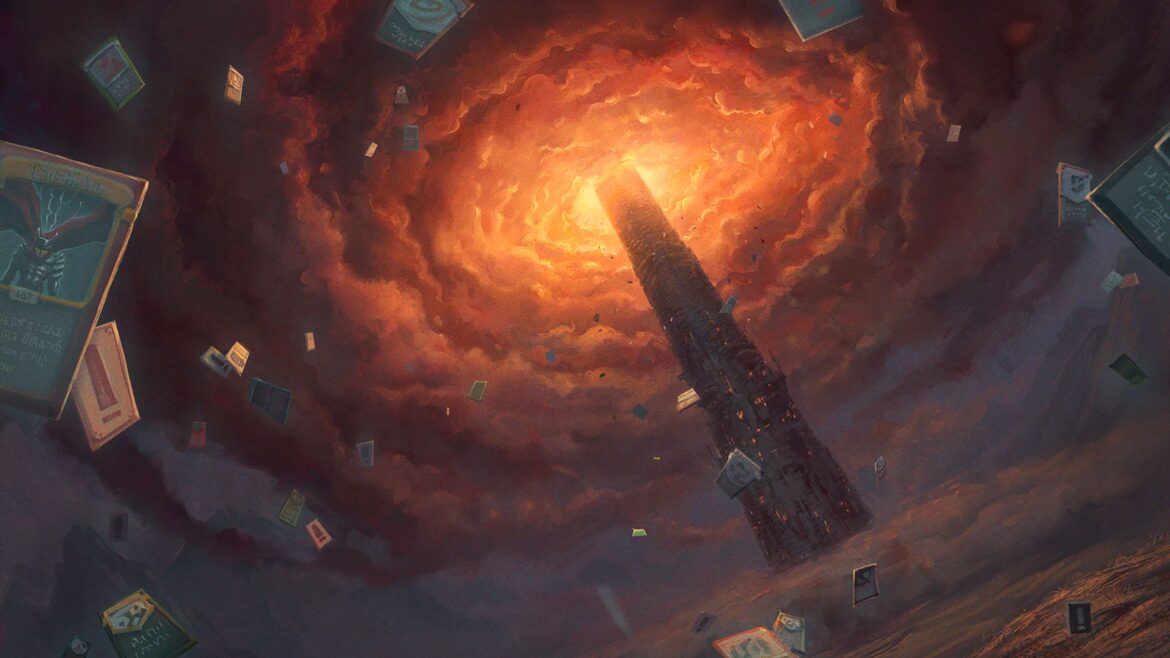
The original Slay the Spire wasn’t just popular—it reshaped an entire genre.
By blending roguelike structure with collectible card game mechanics, it created a deeply strategic experience where every run felt unique. Players constructed decks as they climbed a mysterious tower, adapting to unpredictable enemies, relics, and random events.
The game’s design struck a rare balance:
- Simple mechanics that were easy to learn
- Deep strategic possibilities for advanced players
- Endless replayability through randomness
This formula turned Slay the Spire into one of the most influential indie games of the past decade.
Because of that legacy, expectations for the sequel were extremely high. Fans weren’t just hoping for more content—they wanted meaningful evolution without losing what made the original special.
The Power of Community Trust
One of the biggest reasons Slay the Spire 2 succeeded immediately is the trust that Mega Crit built with players during the development of the first game.
The original title spent years in Early Access, where the developers worked closely with the community. Player feedback shaped balance adjustments, new mechanics, and overall game polish.
That transparency created a strong relationship between the studio and its audience.
When the sequel entered Early Access, players already knew what to expect:
consistent updates, careful balance decisions, and developers who actively listened to feedback.
In an industry where Early Access can sometimes feel unfinished or rushed, that reputation made a huge difference.
A Sequel That Actually Evolves the Formula

Another key factor behind the game’s strong launch is that Slay the Spire 2 doesn’t simply repeat the original formula.
Instead, the developers focused on expanding the strategic depth while maintaining the accessibility that made the first game so addictive.
Early versions of the sequel introduce several improvements:
Enhanced Card Interactions
Cards interact with each other in more complex ways, creating new strategic layers during deck building. Players must think carefully about synergy rather than simply collecting powerful standalone cards.
Expanded Enemy Design
Enemies now feature more dynamic behaviors, forcing players to adapt their strategies mid-run. Encounters feel less predictable and require deeper planning.
New Characters and Mechanics
Fresh playable characters bring entirely new playstyles. Each one encourages players to approach runs with different deck strategies and combat tactics.
These additions make the sequel feel familiar yet meaningfully evolved—a crucial balance for any follow-up to a beloved game.
Early Access Done the Right Way
Early Access launches can easily backfire if a game feels incomplete or poorly tested. Mega Crit avoided this by ensuring that Slay the Spire 2 entered Early Access with a strong core experience already in place.
Players weren’t just testing a prototype. They were playing a polished foundation that already captured the addictive gameplay loop fans loved.
This approach provides several benefits:
- Players feel their purchase is worthwhile immediately
- Developers receive high-quality feedback from engaged players
- The game builds positive momentum instead of skepticism
Many successful indie games follow this model, but Mega Crit has proven especially skilled at managing it.
The Importance of a Clear Vision
Another factor behind the game’s success is the studio’s clarity of vision.
Rather than chasing trends or drastically changing the formula, Mega Crit stayed focused on what made the original game great: thoughtful decision-making, strategic depth, and replayability.
This consistency helped avoid one of the biggest pitfalls in sequels—overcomplication.
Some developers attempt to reinvent their games so dramatically that they lose their core identity. Instead, Slay the Spire 2 builds upon the same design philosophy that made the first title successful.
The result feels like a natural evolution rather than a risky reboot.
A Genre That Keeps Growing
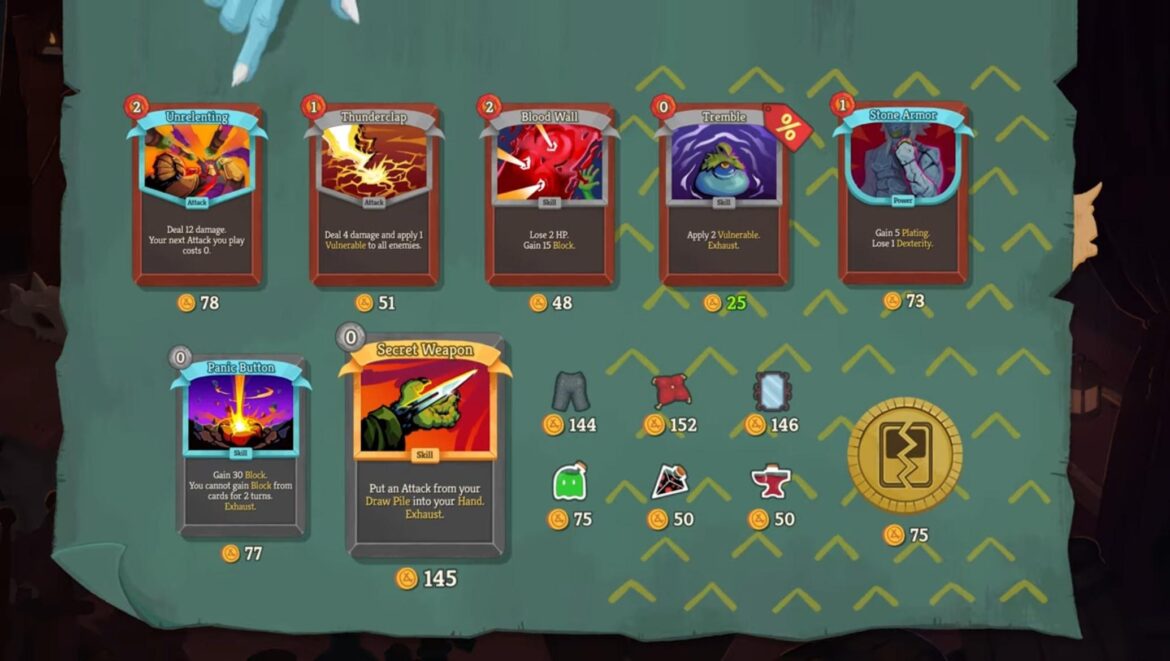
The influence of Slay the Spire can be seen across the gaming landscape today. The deckbuilding roguelike genre has exploded in popularity, with numerous indie games experimenting with similar mechanics.
Yet despite all those new entries, the original game remains the benchmark for quality.
That legacy played a major role in the sequel’s Early Access success. Players weren’t just curious about another deckbuilder—they were eager to see how the creators of the genre-defining title would push the concept forward.
In many ways, Slay the Spire 2 represents the next chapter in a genre that the original helped create.
Lessons for Indie Developers
The launch of Slay the Spire 2 offers several valuable lessons for indie studios hoping to build successful sequels.
1. Build Community Trust
Transparent communication and regular updates can turn players into long-term supporters.
2. Respect the Original Design
Sequels should evolve existing strengths rather than abandoning them entirely.
3. Launch Early Access Carefully
A strong core experience ensures players remain excited rather than disappointed.
4. Focus on Depth, Not Just Content
New mechanics should deepen strategy rather than simply increasing quantity.
These principles helped Mega Crit turn a highly anticipated sequel into a successful Early Access launch.
The Climb Continues
While Slay the Spire 2 is still evolving through Early Access, its early success already shows that the studio understands what made the original game special.
By combining thoughtful design, strong community engagement, and a clear development philosophy, Mega Crit managed to deliver a sequel that feels both fresh and familiar.
For fans of strategic roguelikes, the journey up the Spire is far from over—and the next climb might be even more exciting than the first.