Every year, thousands of indie games launch on PC storefronts, fighting for attention in an increasingly crowded marketplace. For many developers, visibility—not quality—is the biggest challenge. A brilliant game can easily disappear beneath the flood of new releases.
That’s where Steam Next Fest comes in.
This week-long digital festival has quietly become one of the most powerful discovery engines in gaming. By allowing players to download and try free demos of upcoming titles, it creates a rare opportunity: unknown indie games can suddenly explode into the spotlight.
For developers with limited marketing budgets, Steam Next Fest has become more than a showcase—it’s a potential launchpad to success.
The Festival That Puts Demos Back in the Spotlight
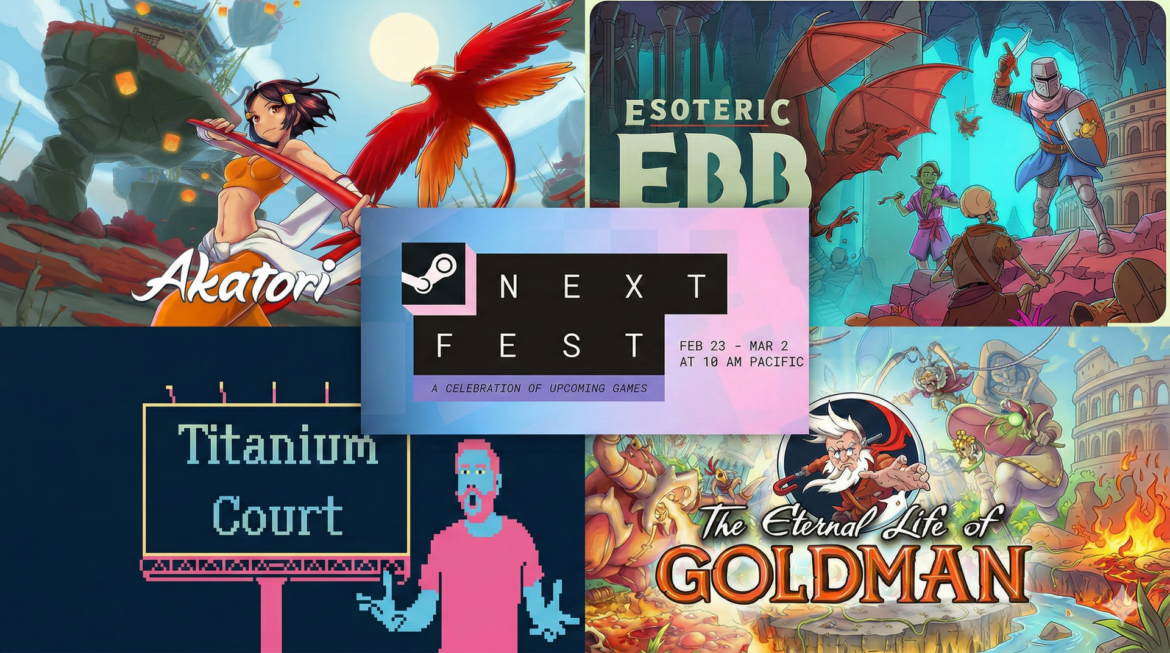
In the early 2000s, demos were a staple of gaming culture. Players tested new releases before buying them, often discovering hidden gems in the process. Over time, however, demos faded from the mainstream as digital storefronts prioritized trailers and pre-orders.
Steam Next Fest revived that tradition.
During the event, hundreds—or even thousands—of upcoming games release playable demos simultaneously. Players can browse categories, watch developer livestreams, and download demos instantly.
The scale is enormous. Some festivals have featured more than 3,000 demos, spanning every genre imaginable—from experimental narrative adventures to complex strategy simulations.
This sheer variety turns the festival into something like a digital game expo—except anyone with a PC can participate.
From Three Players to Thousands
One of the most remarkable aspects of Steam Next Fest is how dramatically it can transform a game’s visibility.
Small indie projects that previously struggled to attract attention can suddenly find themselves in front of massive audiences. During the festival, player counts for certain demos can surge dramatically as thousands of curious gamers explore new releases.
For a small studio—or even a solo developer—this kind of exposure would normally require months of marketing and significant advertising budgets. Steam Next Fest can deliver similar visibility in just a few days.
Wishlists: The Currency of Indie Success
In the world of Steam, wishlists are more than just bookmarks. They are one of the most important signals in the platform’s recommendation algorithm.
When players add a game to their wishlist, it indicates potential purchase interest. Steam’s system often responds by promoting that game more prominently across the storefront.
This is why demos matter so much.
A strong showing during Steam Next Fest can dramatically increase a game’s wishlist numbers. That spike in attention can determine whether a game launches quietly—or debuts in Steam’s trending charts.
A successful demo doesn’t just attract players during the festival. It builds momentum that can carry through the game’s entire launch period.
Streamers and the Viral Effect
Another key factor behind the festival’s impact is the role of content creators.
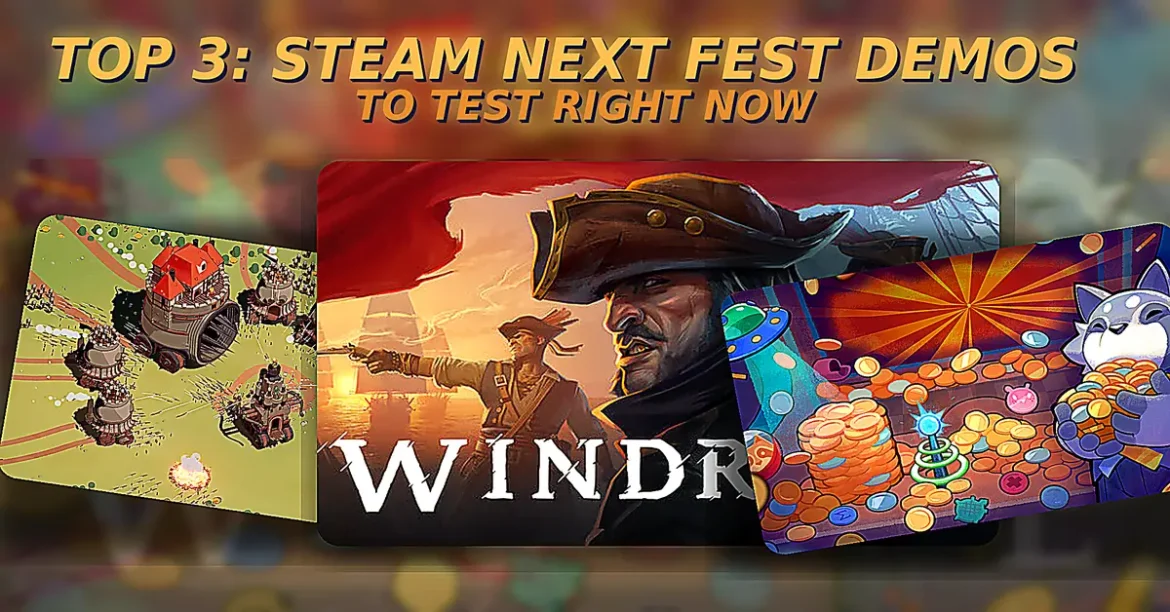
Streamers and YouTubers often browse Steam Next Fest looking for unusual or promising demos to showcase. When they discover something special, the effect can be immediate.
A single stream can expose a game to thousands—or even millions—of viewers.
This creates a powerful feedback loop:
- Players discover a demo during the festival.
- Streamers showcase the game to their audiences.
- Viewers download the demo and wishlist the game.
- Steam’s algorithm boosts the title further.
Within days, a previously unknown project can become one of the event’s most talked-about demos.
A Playground for Experimental Ideas
Unlike traditional game marketing events, Steam Next Fest doesn’t require polished trailers or publisher backing.
Anyone with a demo can participate.
That openness encourages experimentation. Developers often use the event to test unconventional ideas, niche genres, or early prototypes that might otherwise struggle to find an audience.
Players benefit too.
Instead of relying on marketing promises, they can experience a game firsthand—trying mechanics, exploring worlds, and deciding whether the concept truly works.
This direct interaction helps players discover unique projects that might never appear on mainstream recommendation lists.
Feedback That Shapes the Final Game
For developers, Steam Next Fest isn’t just about marketing.
It’s also an invaluable testing phase.
Thousands of players downloading a demo means thousands of perspectives on gameplay balance, performance issues, and design decisions. Developers often receive detailed feedback on mechanics, UI design, and difficulty curves.
This real-time feedback can dramatically improve the final game.
Many teams spend the weeks following the festival refining systems based on player reactions. By the time the full version launches, the game may be significantly better than the original demo.
In this sense, Steam Next Fest acts as a collaborative development stage between creators and players.
The Discoverability Challenge

Of course, success isn’t guaranteed.
With thousands of demos available, standing out during Steam Next Fest can be difficult. Some developers describe the event as a “discoverability lottery,” where luck plays a role alongside quality.
A strong demo helps, but so does preparation.
Developers often spend months building momentum before the festival—posting trailers, engaging communities, and gathering early wishlists.
Those early signals increase the chances that Steam’s algorithm will promote the game during the event.
In other words, the festival rewards both creativity and strategy.
A Window Into Gaming’s Future
Despite its challenges, Steam Next Fest has become one of the most exciting events in modern gaming.
It highlights the diversity and creativity of the indie scene, giving players a preview of the industry’s future. The festival’s most popular demos often represent bold ideas that might have been considered too risky for traditional publishers.
For players, it’s an opportunity to discover tomorrow’s hits before they’re finished.
For developers, it’s a chance to turn passion projects into breakout successes.
Why Demos Matter More Than Ever
In an era dominated by trailers, pre-orders, and influencer marketing, playable demos offer something refreshingly simple: proof.
A great demo lets the game speak for itself.
That authenticity is why Steam Next Fest continues to grow in importance. It provides a rare environment where creativity—not marketing budgets—can drive discovery.
And every year, somewhere in that massive library of demos, a small unknown indie game becomes the next big success story.
All it takes is one download.