In recent years, the line between indie innovation and blockbuster production has become increasingly blurred. Nowhere is that shift more evident than in the growing recognition of narrative-driven independent games at prestigious industry events like the BAFTA Games Awards. Among the titles fueling this movement is Clair Obscur: Expedition 33—an ambitious RPG that has quickly captured the imagination of players and critics alike.
Blending painterly aesthetics, philosophical storytelling, and strategic combat, Clair Obscur: Expedition 33 represents a new frontier for narrative-driven RPGs. Its success signals not only a triumph for its creators but also a broader cultural shift within the gaming industry: the rise of narrative indies as serious contenders alongside major studio productions.
A New Era for Indie Storytelling
Independent games have long been known for creative experimentation. Without the pressure of massive budgets or corporate mandates, smaller studios often explore unconventional ideas and artistic risks that larger companies avoid.
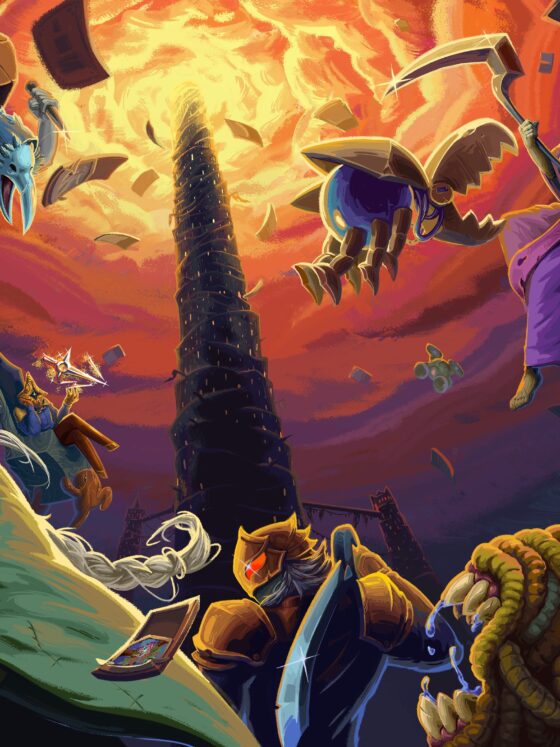
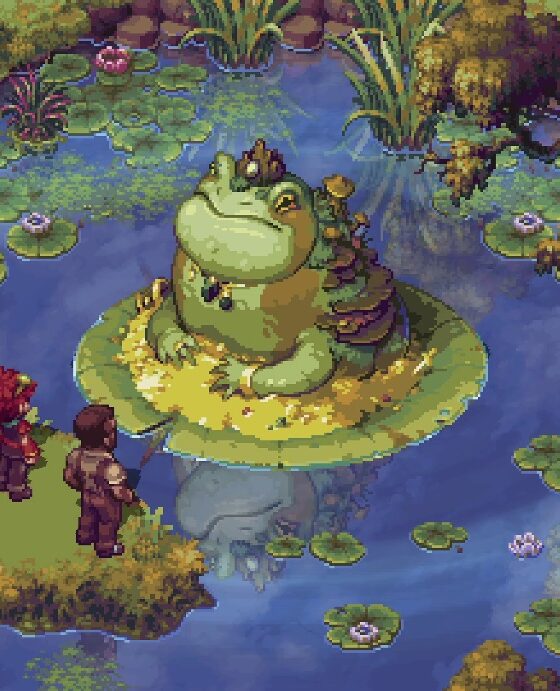
Over the past decade, titles like Disco Elysium, Hades, and Undertale have proven that indie games can deliver storytelling experiences every bit as compelling as traditional AAA RPGs. However, Clair Obscur: Expedition 33 pushes this concept even further.
Instead of simply mimicking blockbuster RPG structures, the game reimagines how narrative, mechanics, and art can intertwine. Its storytelling is not just told through dialogue or cinematic cutscenes—it’s embedded into the very world design and gameplay systems players interact with.
This approach reflects a broader trend recognized by institutions like BAFTA: storytelling innovation increasingly comes from smaller, daring teams.
The Vision Behind Clair Obscur: Expedition 33
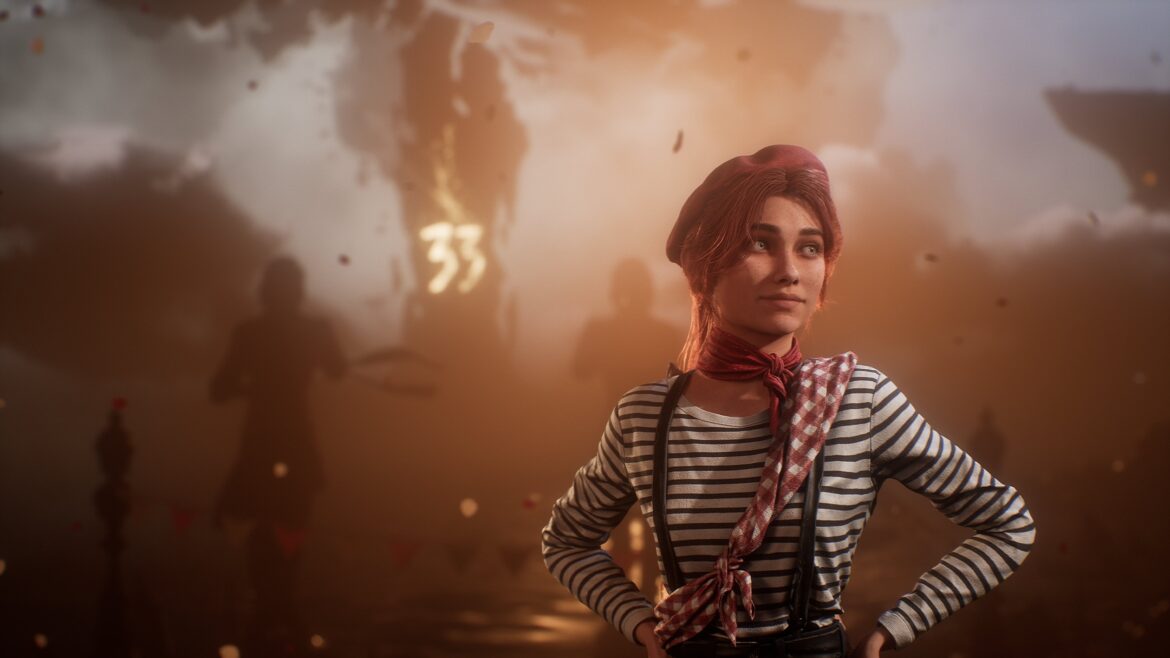
Developed by the French studio Sandfall Interactive, Clair Obscur: Expedition 33 draws heavy inspiration from classical European art and surrealist philosophy. The game’s visual design resembles living oil paintings, with environments that feel both haunting and dreamlike.
But beneath its striking aesthetic lies an emotionally complex narrative.
The premise revolves around a mysterious entity known as The Paintress, who annually paints a number onto a monolith. Anyone of that age disappears when the number appears. As the number descends each year, humanity’s lifespan slowly shrinks.
Players join Expedition 33—a desperate mission to confront the Paintress and break the cycle before the next number is written.
This narrative hook immediately sets the game apart from typical fantasy RPG plots. Instead of focusing on world domination or political intrigue, the story grapples with existential questions: mortality, memory, and the meaning of resistance in the face of inevitable loss.
Narrative Through Mechanics

One of the most innovative aspects of Clair Obscur: Expedition 33 is how its mechanics reinforce its themes.
Unlike traditional turn-based RPGs, combat incorporates timing-based mechanics and real-time interactions, making battles feel intensely personal. Dodging, parrying, and targeting specific enemy parts requires player focus, turning each encounter into a moment of tension and storytelling.
These mechanics reinforce the game’s central narrative theme: survival against overwhelming odds.
Every victory feels hard-earned, and every loss reminds players of the fragility that defines the game’s world.
This integration of mechanics and narrative reflects a design philosophy increasingly embraced by indie developers—storytelling that emerges from gameplay rather than existing alongside it.
The Artistic Power of “Clair Obscur”
The title itself offers a clue to the game’s deeper artistic ambitions.
“Clair-obscur” is a French artistic term closely related to chiaroscuro, the dramatic contrast between light and dark used by painters like Caravaggio and Rembrandt. In the game, this concept extends far beyond visual style.
The world constantly balances beauty and despair. Lush landscapes coexist with haunting ruins. Moments of hope are shadowed by the looming threat of disappearance.
Even the characters reflect this duality. Members of Expedition 33 are driven by courage and determination, yet haunted by the knowledge that their mission may ultimately fail.
This thematic contrast gives the game a powerful emotional resonance rarely seen in traditional RPGs.
Why BAFTA Recognition Matters
Recognition from organizations like BAFTA signals more than just critical acclaim—it represents a shift in how the industry values storytelling in games.
Historically, awards often favored technically impressive AAA titles with massive production values. But as narrative-focused indie games continue to break new ground, award institutions have begun celebrating innovation and emotional impact over sheer scale.
Clair Obscur: Expedition 33 embodies this shift perfectly.
Despite coming from a relatively small studio, the game rivals major RPG franchises in artistic ambition and narrative depth. Its presence in award conversations highlights the growing influence of independent developers in shaping the future of the medium.
A Bridge Between Indie and AAA
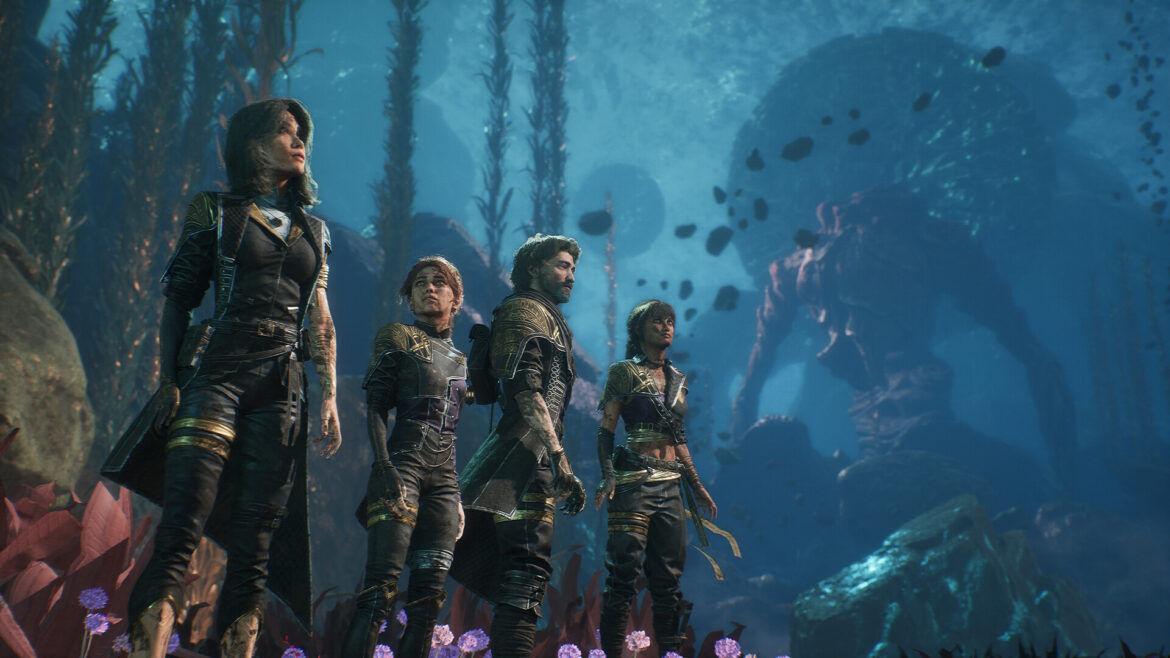
Interestingly, Clair Obscur: Expedition 33 doesn’t fully fit into traditional definitions of indie or AAA.
While developed by a smaller team, the game features high-end graphics, cinematic presentation, and complex gameplay systems that rival blockbuster productions. This hybrid identity represents an emerging category sometimes referred to as “AA” games—projects that combine creative independence with ambitious production values.
This middle ground may prove crucial for the future of narrative RPGs.
AAA studios often hesitate to pursue experimental storytelling due to financial risk. Indie studios, meanwhile, sometimes lack the resources to fully realize their visions. Games like Clair Obscur: Expedition 33 demonstrate how smaller teams with sufficient support can bridge that gap.
The Future of Narrative RPGs
The success of Clair Obscur: Expedition 33 reflects a broader transformation within the RPG genre.
Players are increasingly seeking emotionally rich experiences that go beyond traditional power fantasies. They want stories that challenge them intellectually and emotionally—stories that linger long after the credits roll.
Indie developers are uniquely positioned to meet this demand. Their willingness to experiment allows them to explore new narrative structures, deeper character development, and unconventional themes.
As award recognition, player enthusiasm, and industry investment continue to grow, narrative-driven indie RPGs may soon become one of gaming’s most influential creative forces.
A Defining Moment for Indie Games
If the last decade proved that indie games could compete with AAA titles, the rise of Clair Obscur: Expedition 33 suggests something even more significant: they may lead the future of storytelling in games.
Its blend of artistic vision, mechanical innovation, and philosophical narrative demonstrates how powerful interactive storytelling can become when developers prioritize creativity over convention.
And as institutions like BAFTA continue to spotlight these experiences, the message becomes clear.
The future of RPG storytelling may not belong solely to the biggest studios—but to the boldest ideas.